









Recently in Saving Money Category

barker.jpg

According to the Journal of Consumer Research, "shoppers pay a disproportionate amount of attention to the leftmost digits in prices and these leftmost digits impact whether a product's price is perceived to be relatively affordable or expensive"

In one experiment, the researchers took two price points ($2.00 and $4.00) and lowered one price by one cent turning $4.00 into $3.99 and keeping the $2.00 price point.  As a result, the researchers found when a set of the same products were priced at $2.00 and $3.99, 44 percent of the participants choose the higher priced product!  However, when the products were priced at $1.99 and $4.00, only 18 percent choose the higher priced product.  

Here's how the researcher explains the result above:

"The larger perceived price difference between the pens when they are priced at $1.99 and $4.00 led people to focus on how much they were spending and ultimately resulted in a strong tendency to select the cheaper alternative."

The study also tested round numbers and you can read the rest of the findings at ScienceDaily.com.

At the end of the day, shoppers should be paying attention to all prices period, but given some of the unconscious effects of the "left digit" phenomena pay special attention to price points at $24.99 or $49.99, for example.  

Thumbnail image for link.jpg
Five Ways To Save Money At A Sporting Event  
Excerpt: **This is a guest post by Jeff Rose. In my hometown, one of the things that my wife and I enjoy doing is going to see our former alma mater battling it out on the basketball court.  I'm sure most can relate to attending a similar event, whether it be your former university... via Frugaldad.com

Excerpt: I've been happily married to the same man for 22 years. What is our secret to marital bliss? In one word, communication. Oh yeah, and respect. I'd better add kindness, cooperation, compromise, commitment, shared values and fun. AND date nights! via Millionairemommynextdoor.com

nadal.jpg

Excerpt: I was thinking about why more people and families don't have a budget.*It's really the thing to do to keep track of your expenses and income and make sure you don't go over with your spending. I thought about all the... via Freefrombroke.com

Excerpt: It seems like a good time to post a winter favorites list. You all helped me out greatly last week with your suggestions about where I should go when I get to Tokyo and Kyoto - what better time to return the favor and highlight a few of my favorite things on this end via 101cookbooks.com

pastagreen.jpg

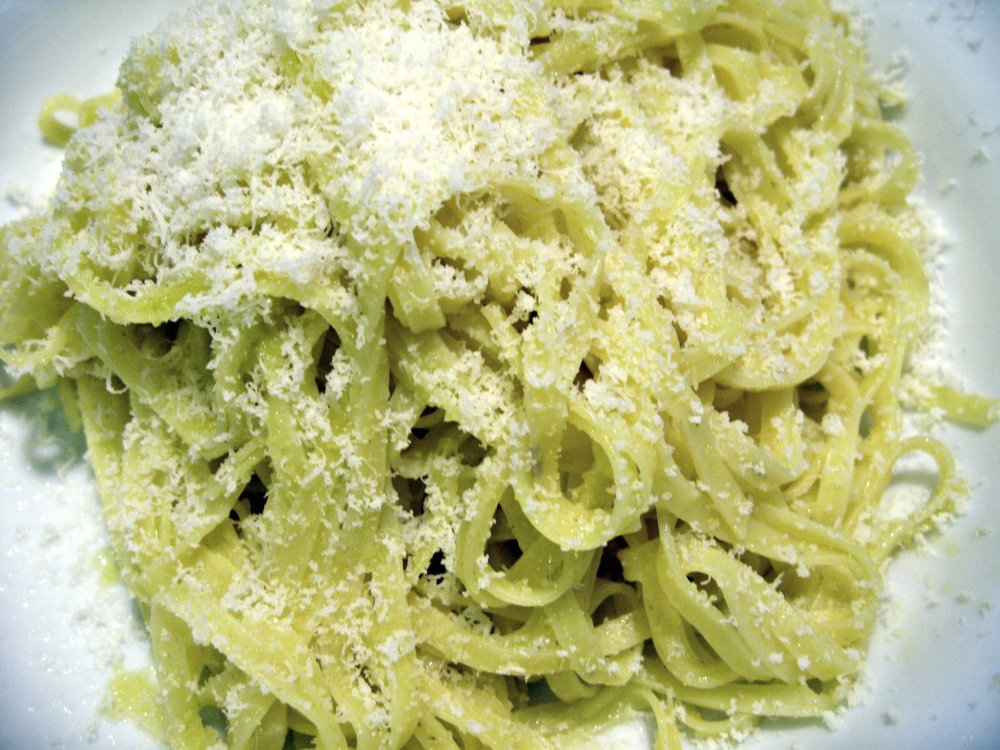
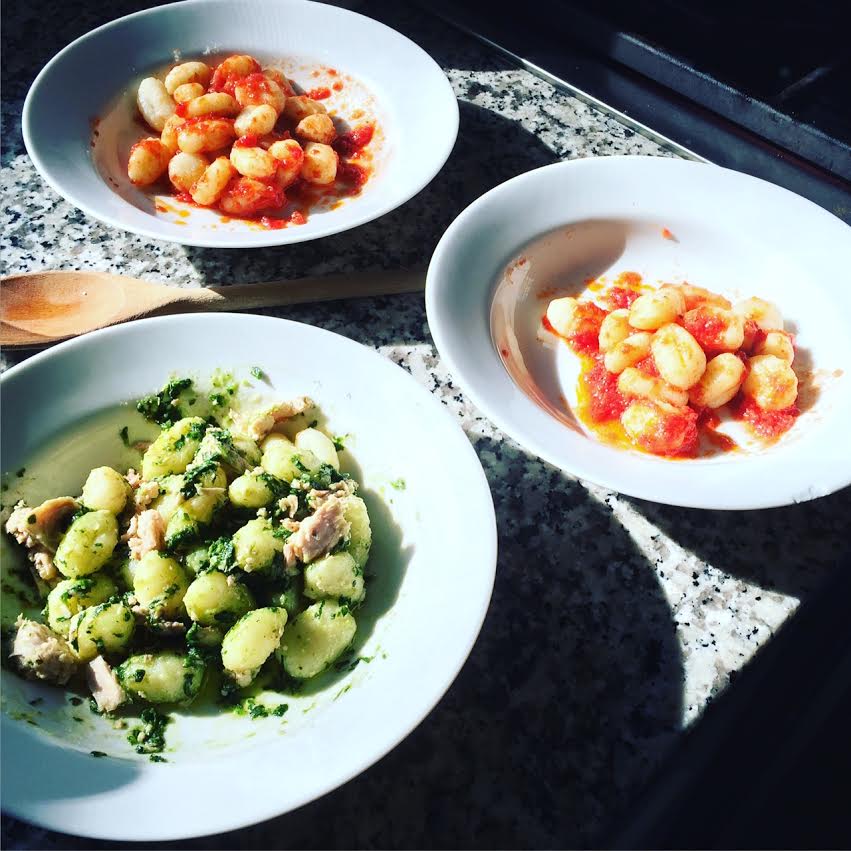
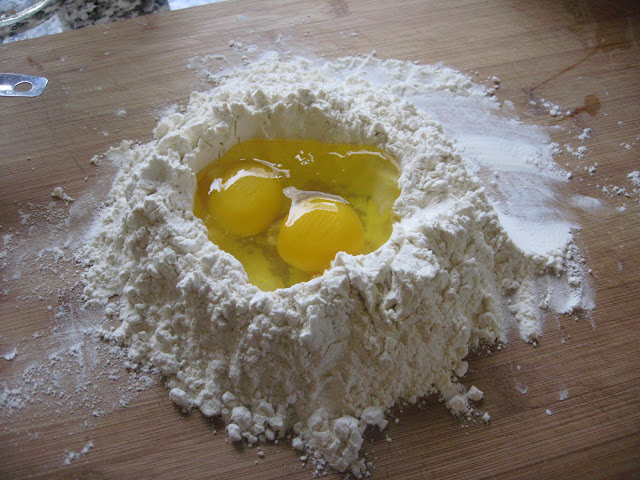
Excerpt: We love it when we get emails like this. Reader Patricia from Montreal wrote us saying that she loves the site, and it inspires her cooking. She took Emma's Januaryweekend project challenge to make homemade pasta, and look at how well it turned out! Read on to see more of her homemade pasta. via thekitchn.com

Excerpt: The month of February I'll be offering a money-making tip every weekday. Here's the one for today: Make money by blogging. I've talked about this idea a bit before, but I wanted to add some specifics today. via freemoneyfinance.com

wintermountains.jpg

Excerpt: It's tax time! It's hard to remember everything about taxes, so here is a comprehensive tax guide to get you through tax season! From important tax dates to planning for next year, and just about everything in between, we've got you covered! via mydollarplan.com

Excerpt: I have a pretty funny story about scrounging for change.Two years ago, right before Christmas, I gathered up all of the lose change in our house and headed to a local grocery store.  My goal was to use the store's Conistar machine and exchange my coins for an Amazon gift certificate.  I'm not sure exactly how much change I had when I arrived at the store, but I do know that it filled up a large  Ziploc bag. via ncnblog.com

bored.jpg

Excerpt: One nice day can throw your senses into a tizzy after spending the last several months couped up in the house or bundled up in layered clothing. Struggling through cabin fever can be especially difficult for those who crave the sun and just don't see enough of it during the winter months.  via wisebread.com
chips_pot.jpg
The upcoming Oscars Award show always gets everyone in the movie-going spirit and why not it's fun to plan a night at your local theatre taking in a good movie followed by a late night meal and a glass of good Zindfandel!  But wait, hold on, are you really going to spend $20+ dollars for tickets, $15+ dollars on snacks, and then $50-$75 dollars on dinner and a decent bottle of wine?  The answer is an obvious no and not just in the current economy; I find many of our friends who consistently do dinner and a movie to be consistently amongst the cash-strapped crowd.  Don't get me wrong I love film, I just don't like spending my hard earned cash on overpriced tickets and snacks.  What I do instead is plan movie night at home and head to my local library for DVDs.  Yes, some local libraries lack a decent film collection, but our town library happens to have a nice assortment of films.  I'm also an on and off subscriber to Netflix, but I never keep the service running for more than 4-6 months (I essentially exhaust the movies I really want to see and then cancel my, auto renew, subscription).  

Either way you get your films, you'll need some snacks to go with your movies!  Here's a list of some of my favorite chips and dips, as well as a list of some great movies by category!

Potato Chips 
There's something about thinly friend potatoes with copious amounts of salt that gets me excited!  Potato chips are one of my all time favorite foods and please don't let my mother find out.  I can enjoy potato chips during a late night rummage through the pantry or, in this case, with a good movie.  My all time favorite potato chips include:

capecode.jpg
1. Cape Cod Potato Chips (Classic and Salt & Vinegar are my favorite) 

2. Kettle Chips (any flavor, really!)


4. Terra Chips (Original) 

Tortilla Chips
Corn chips exploded into the US marketplace in the early to mid nineties and they've become a staple (any one know why?) of informal get togethers and parties.  And there are pretty tasteless, and overly salted, products on market (such as Tostitos and Santitas White Corn chips made by FritLay).  You can of course make your own Tortilla Chips, however there are also some good brands on the market, I prefer the following products: 

greenmount1.jpg
1. Green Mountain (great combo of salt and corn taste)


3. Doritos (yes, I like Doritos!)

Guacamole
Next to the egg, the avocado would be one of the food items I would want if I were stranded on a remote island.  Mix in fresh lime juice and cilantro and you have an exquisite tortilla chip accompaniment; here is my recipe:

- 2 large, very ripe, Hass avocados
- 1 large lime (keep out of the fridge for a few hours and roll on cutting board before juicing)
- 1 bunch of fresh cilantro (I know cilantro is a love/hate type of herb, but I happen to love the flavor)
- ¼ finely diced red onion
- ½ finely diced plum tomato
- Salt and pepper to taste

Mash the avocados with a fork and add your lime juice (click here if you've never sliced an avocado before).  Stir the two ingredients and the cilantro, onion, and tomato. Next, add salt and pepper to taste and give the mixture a final stir.

Sour Cream Dip
Potato chips, in my view, really don't need a dip, but that's not to say that I don't enjoy dipping my perfectly salted chips into a nice white mixture of sour cream!  Here's my favorite recipe for Sour Cream and Onion Dip:

- 1 pt of sour cream
- 3-4 finely diced green onions
- Salt and freshly ground black pepper to taste
- 1 teaspoon garlic powder or 3-4 cloves of mashed caramelized or roasted garlic 

Combine all the ingredients in a medium sized bowl and mix very well.  

Movies
A movie critic will tell you that one can, objectively, rate and talk about a given movie.  And we'll see a perfect example of how certain movies become more highly regarded than others with the upcoming Oscars - we'll soon know which 2008 movie wins best picture (Slumdog Millionare, Frost/Nixon, he Curious Case of Benjamin Button, or The Reader).  In my view, however, deciding on whether a movie is good or bad can often be a very subjective experience and depdendent on how many other films one has watched, personal history, ethnicity, education, mood, etc.  So, I recommend the following "movie night" movies based solely on the fact that I really liked them all!  Most of all, however, each one of the movies below (categorized by actor, genre, or style) made me feel as though I was totally submerged in the plot and the story the director wanted to convey.  Pick one of the following up:

clint.jpg
1. Woody Allen
Vicky Cristina Barcelona

2. Bill Murray
The Royal Tenenbaums

3. Johnny Depp
What's Eating Gilbert Grape

seanpenn.jpg
4. Sean Penn
Carlito's Way

5. Foreign 
Y Tu Mama Tambien
La Strada
Respiro

6. Engrossing
The Shipping News
Mulholland Drive

7. Classics
The 400 Blows
Odd Man Out
Sudden Fear
Notorious

8. Western
The Magnificent Seven
The Three Burials of Melquiades Estrada

(Thanks to Fatfreevegan.com for the first photo above)

taxman.jpgHere's a quick look at some of the tax breaks the new stimulus plan authorizes (for a more detailed look see the Wall Street Journal):

1. Making Work Pay tax credit.  An eligible worker would get 6.2% of earned income up to a max credit of $400 (for two income earners it's $800).  What this means is that workers would see an extra $12-$20, per pay check.  If you make more than $95,000 (single) or $190,000 (couples) you will not qualify.

2. New homebuyers will get a tax break in the form of a $8,000 subtraction from the income tax they owe (on a principle residence purchased through 11/31/09).  There is a phase our for individuals earning between $75,000 - $95,000 and couples with an income of between $150,000 - $170,000.

3. The Alternative Minimum Tax increases exemption to $46,700 for individuals and $70,950 for couples.

4. If you've lost your job you will be able to forgo taxes on the first $2,400 of unemployment compensation (in previous years, all income from unemployment was taxable).

5. Cars buyers get to deduct sales tax on a new car purchase. (for purchases up to $49,500 from the day the stimulus starts through the end of 2009).  Of course, the deduction phases out for singles with a salary between $125,000 - $135,000 and couple earning between $250,000 - $260,000.

6. If you've lost your job, maintaining insurance through your old provider got easier in the form of a 65% reduction in cost.  Cobra costs also get cheaper.  There are also qualification in terms when you got laid off.

7. The American Opportunity education tax credit allows for a $2,500 partially refundable tax credit to cover all four years of college. (this goes until 2010 and thereafter the Hope Credit comes back into play).

8. If you have a 529 college savings plan you can use withdrawals in 2009 and 2010 to purchase a computer or "computer technology" (previously the college needed to stipulate that a computer was needed for study). 

The Wall Street Journal's Personal Finance blog, "The Wallet" recently posted an article on how to save money on rent.  The article also offers a free template on how to approach your landlord about reducing your rent, which goes to show that you can haggle about anything, even in one of the most expensive cities on Earth (thank to Rich for the FYI):

To Whom It May Concern:

We're writing in regards to the renewal of our lease at [insert your address here].

On [date you moved in], we [names of tenants] moved into a unit in the aforementioned property. Since then, property values in Manhattan [replace with your city or neighborhood] have declined by 5.6% for two-bedrooms units, much more steeply than the nationwide drop of 0.4%. Further, apartment vacancies overall rose to 6.6% in the quarter from 5.7% a year earlier. [I used footnotes here to cite the WSJ story. I suggest also putting in data about your local market from local papers, etc..] Economists and real estate experts predict the decline to continue through 2009-2010.

In our building, that has meant facing an empty unit for several months. Units similar to ours have been rented in recent months to tenants with credit scores and incomes lower than ours at even cheaper rates than what we've paid. A rent hike seems inconsistent with recent market conditions and unfair to paying tenants like us with flawless records.

We've confirmed that a unit nearly identical to ours is renting at $2,350 a month for a one-year lease. We ask that our lease, at the least, should match that. This would satisfy your interest in keeping our unit occupied and our interest in staying in our apartment at a reasonable rate. Ideally, a discount would be lowering our rent to $2,100 a month for a one-year lease. [At first, I thought this was too bold, but I'm glad I started low.]

As one property manager recently told The Wall Street Journal: "If they're good payers, we will give them a discount." Here we are, good payers, asking for a reasonable discount. The $50 off our current rate [original manager] and Ms. Pilon spoke about is inconsistent with other rates in our building and current market activity and projections.

We look forward to continuing the conversation and hearing from you shortly.
Sincerely,

[Names and contact information of tenants here]
coffeestar.JPGIn yet another move away from its core business, and to curtail increasing losses, Starbucks introduced special breakfast pairings such as a tall latte with coffee cake and a tall coffee with a breakfast sandwich, all for $3.95.

The move comes after the chain announced job cuts of 6,700 and the closing of 300 stores.

My advice to the average consumer in the midst of recession:


-and-

2. Have breakfast at home
sucker.jpg
A SayEducate.com article recently suggested given that the current state of the economy will mostly likely worsen, homeowners should think about opening up a home equity line of credit.  The suggestion includes the following arguments:

1. If you are currently employed, a home equity line of credit will be more easily secured versus when you are out of work.  And if you do lose your job you can use the credit to pay for emergencies.

2. Rates are currently low, therefore it makes sense to obtain credit now.

3. Whether you use your credit or not you have the option to tap available funds.

My view couldn't be more opposed to the arguments above. First, if you do not need to use credit then there is no reason to apply for a home equity loan.  Most individuals do not realize that while you can borrow against your home to purchase a car, make home improvements, etc., one still builds up debt.  In turn, a home equity line of credit is NOT free money.

Instead, I would advise individuals to build a true emergency cash fund that can handle 1., home, car, and any other expenditures outside normally budgeted items and 2. allow you to ride out a large gap of unemployment (say between 6-9 months). In my very basic view, if you do not have the cash at hand to make a large expenditure then you haven't done your homework and prepared for life's inevitable emergencies.  And, furthermore, a home equity line of credit is simply a means of increasing debt, it's not a solution to the times in one's life when a large amount of cash is needed.

In sum, forgo the home equity lone of credit game and bite the bullet and build up your cash reserves!
The U.S. Senate unanimously approved an amendment to the economic stimulus bill by U.S. Republican Senator Isakson, Georgia., that gives a $15,000 tax credit to anyone who buys a home in the next year.

The amendment would provide:

- A tax credit to any homebuyer who buys any home. 

- The amount of the tax credit would be $15,000 or 10% of the purchase price, whichever is less. 

- Purchases must be made within one year of the legislation's enactment, and the tax credit would not have to be repaid.

Be sure to follow the amendment.  Home prices may continue to drop, but this may provide a big incentive for US consumers to start purchasing homes again!
drip.jpgThe Wall Street Journal's Karen Blumenthal has a highly relevant article on "Bill Creep" that is a must read.  Bill Creep is associated with auto renewing services that are purchased ala carte, such as adding cell phones to a plan, moving to a data plan for a Smartphone, premium channel upgrade to a cable subscription, increasing your Netflix subscription from 3 movies to 4 movies out at once, and moving from a basic gym membership to personal trainer and dietary services.  

The dangerous thing about Bill Creep, as Blumenthal argues, is that it happens over time yet delivers a financial hit every month due to the use of a credit card.  How do you keep Bill Creep under control?  Try the following three bits of advice:

1. Evaluate whether you truly need the service or product and side with simplicity when it comes to the latest gadgets and services.

2. Just get the basics.  Do you really need a Smartphone, Netflix subscription, and a gym membership? Pick a few basics and stick with them.

3. Say no to pressure from the service provider to upgrade.

landlordpng
Most Americans aspire to owning a one-family home with a nice backyard and a white picket fence.  They imagine their kids riding their big wheel up and down the driveway and family barbecues on their back deck.  At face value, there is nothing wrong with owning a one family home, afterall, a home without tenants or extra maintenance comes without worry and strange people living in the same space.  

However, what most people don't realize is that a 2 or 3 family home can provide tremendous peace of mind when it comes to income sources outside the traditional 9-5 job and later on in life via your 401K payouts.  A multi-family home is, in my view, a more secure retirement vehicle then stocks, bonds, mutual funds, index funds, etc. given that individuals and families will always need a place to live and  you, as the owner, can always collect monthly rent from tenants.  An index fund, for example,  tracking the S&P 500 goes up and down with the market, so for example if you've slowly built up a few index funds over a 20-30 year period and are now (in the current economy) looking to cash out the investments to fund your retirement you'll most likely have less real cash to live on each month.  Investing in multi-family real estate can provide a steady income stream for retirees providing they've paid down a good portion of the outstanding mortgage.  The income stream is also not tied, as closely, to the stock market or general economic conditions, so, for example, if you're charging a $1,000 per month for a 1 bedroom apartment you're pretty much guaranteed to see that cash every 30 days.

The above scenario is something that I saw first hand, as our family owned a two family home (living on one level and renting out the 2nd floor to tenants).  The two family home continues to provide steady income for my parents and will continue to do so well into their retirement years.  The other added benefit is that a two family home can provide a space to live for the owner as well, so you can both collect income on the property and enjoy your own space.  

For a young couple, a multi-family home can help pay down the mortgage and taxes and eventually generate pure income, as noted above.  However, there are some negatives, including renting the apartment every couple of years (as tenants come and go) and doing general maintenance, but in my view the positives outweigh the negatives and I'd recommend both young familes and couples nearing retirement consider buying and owning a multi-family property (over the traditional one family home).  There are sacrifices with this type of living arrangement, but in the long term it's a very secure vehicle for monthly income/cash.

DSCN2805.JPG
As I've said in the past, eating out/ordering in is a colossal waste of money and beyond the occasional breakdown or special night out I tend not to reach for the Chinese take out menu or make reservations at our local restaurant very often.  My other rationale for not eating out is that I simply will not get the same quality food at 95 percent of the restaurants in our immediate area (including New York City).  I'm not a trained Chef, but outside some extraordinary restaurants in New York, I'll take a simple meal prepared at home, with high quality ingredients, over a mediocre restaurant experience.  Eating well at home is not rocket science and moreover you don't always need to purchase exotic ingredients to make tasty dishes (the ingredients need to be high quality, but they shouldn't break the bank).  

Here are 4 ingredients that can help you eat cheap and well for as long as our recession lasts:      

1. Eggs
Eggs are a terrific source of protein and can be prepared in a variety of ways.  My two "go to" recipes for eggs include the basic onion and potato frittata and the cheese omelet.  I often have eggs for dinner, but aim to keep my egg consumption to 1-2X per week.  Also, I've gone back and forth on using organic/free range vs your typical Omega 3 fortified, Eggland, eggs and to be perfectly blunt there isn't much difference taste wise (eggs taste best fresh so only buy what you're going to consume).

2. Tuna in Olive Oil
I always keep between 3-4 cans of Italian tuna in olive oil stocked in my kitchen.  My ideal tuna sandwich consists of one can of tuna (do not discard the oil!) with salt and pepper on toasted whole wheat bread.  You can also add some fresh parsley and a few slices of tomatoes if they're in season (try it without the mayonnaise, I swear you'll like it).

3. Pasta and Rice
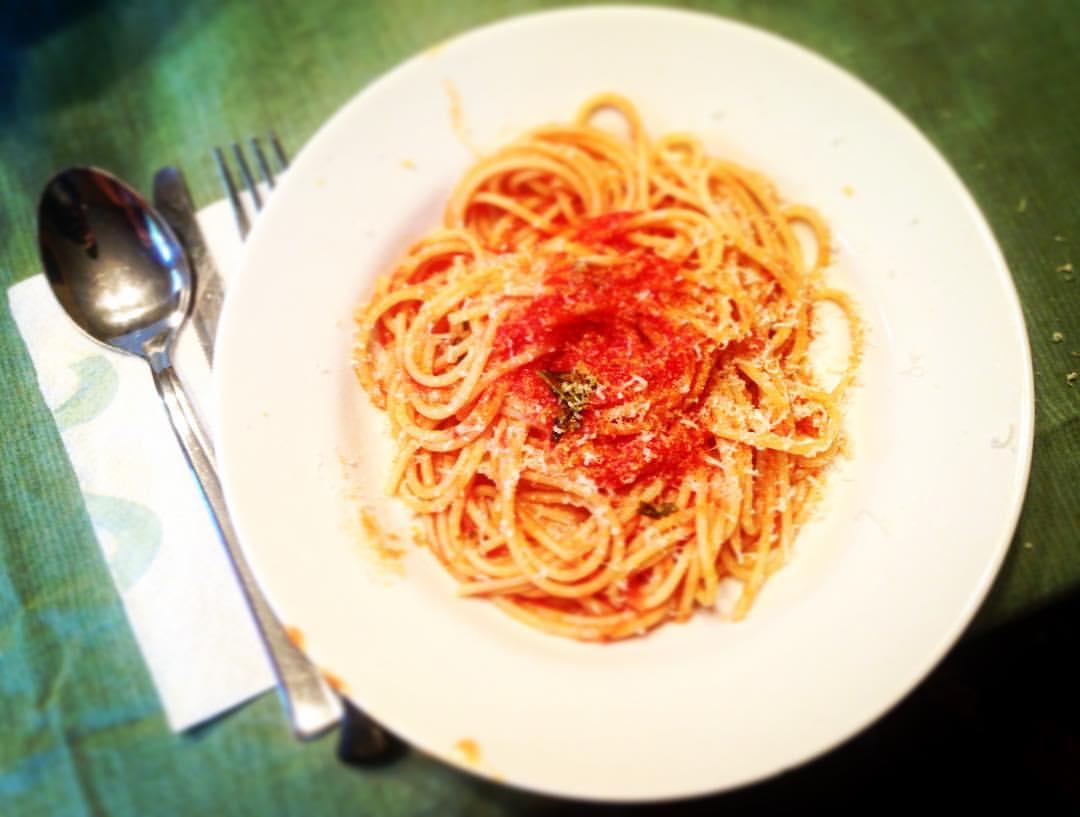
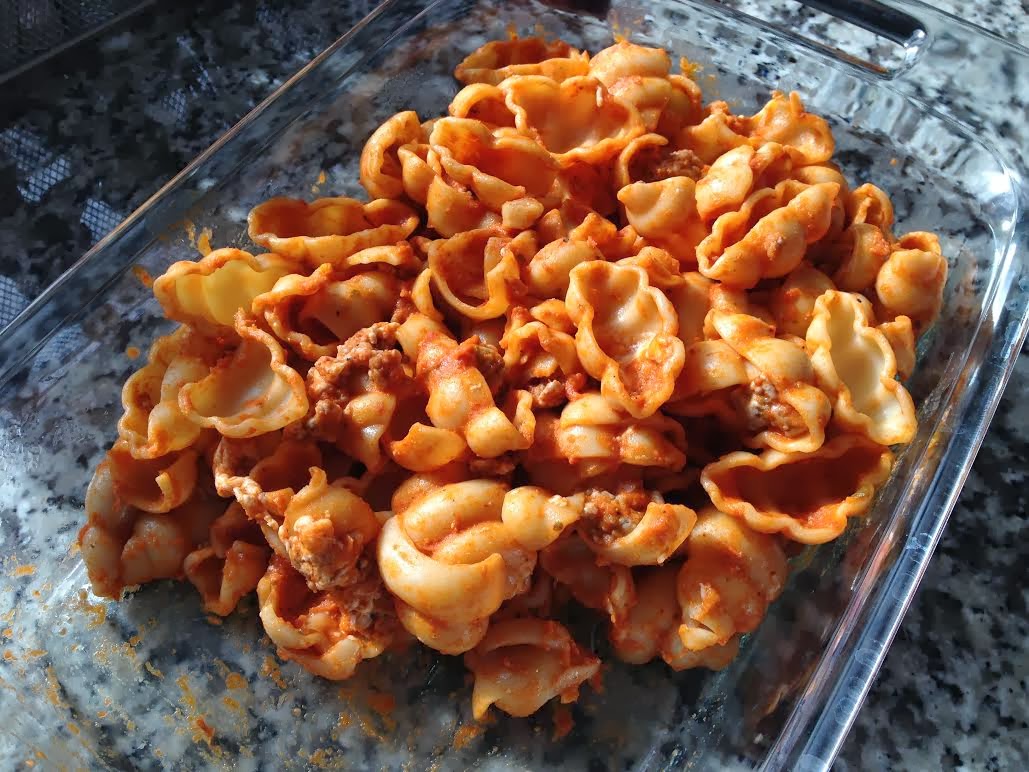
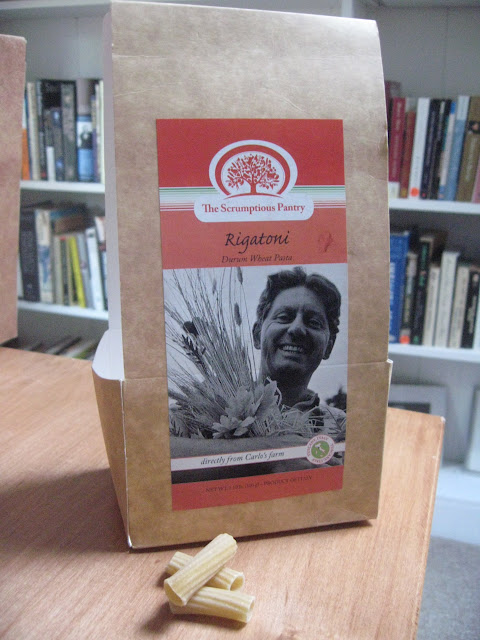
My pasta and rice arsenal includes: thin linguine, angel hair or capellini, linguine, rigatoni, penne rigate, pastine, soba noodles, arborio rice for risotto, Carolina rice, brown rice, jasmine rice, and whole wheat couscous.  Having the aforementioned pasta and rice on hand at all times gives you limitless possibilities, including: linguine with olive oil, parsley, and garlic, baked rigatoni with tomato sauce, mozzarella, and Parmigiano-Reggiano, soba noodles stir fried with green peppers, chicken breast, and onion, brown rice with ginger, cilantro, and cracked black pepper, couscous with feta, red onion, cucumber, and olive oil, etc.

4. Whole Chicken
Buying a whole, free range, chicken is the equivalent to getting the deal of a lifetime.  A whole chicken gets you two types of meat (dark and white) as well various parts which translate into various types of dishes.  I purchase a whole, free range, chicken every other week and butcher the chicken according to my preferences.  If I'm interested in making a whole roasted chicken, I'll simply leave the bird as is and make a rub mixture with lemon zest, salt and pepper, rosemary, and olive oil.  If I have a little more time on my hands I'll butcher the bird into nine pieces and freeze the parts for various dishes throughout the week, including: braised chicken thighs with fresh mint, breaded and baked drumsticks and wings, thinly pounded chicken breast with shitake mushrooms and sherry wine, etc.

bigspend.jpgMost people live beyond their means because they want to feel and be perceived as being wealthy.  A Coach handbag or Mercedes-Benz sedan screams, "hey, look at me I can spend money and feel good about it!"  Feeling good about buying stuff or a particular type of high-end lifestyle is not inherently a bad thing, afterall we all want to live well and be exposed to nice things (even your most extreme cheapskate feels this way - it's not a Western thing or a by-product of materialism, but rather just human nature).  However, there is a trick to feeling "wealthy" but not hopping on the luxury purchase bandwagon; that is, concentrate on items and things that don't have a high premium or cost of entry.  So, for example, purchasing a luxury car or watch requires a large sum of money yet purchasing high end foods, although still a bit expensive, does not have the same high cost of entry.  My parents, for example, have never driven a luxury car, worn designer clothing, or lived in a highbrow neighborhood, though they spend a considerable amount of money on quality food each week.  Eating well provides my parents with their own "luxury lifestyle" at a fraction of the price of most "luxury goods."   

I've adopted the same mentality in terms of food and I often splurge on organic meats, vegetables, and fruit.  I also aim to buy fresh fish each week and enjoy quality cheeses, breads, and wine.  Spending a bit more on food and wine each week makes me (and my family) feel as though I am living a good, high quality, life.  And the bonus is that I'm not overextending my weekly budget or taking on any debt to buy my free range whole chicken or bottle of Southern Italian red.  

So, try cutting back on obvious luxury buys like jewelry, cars, clothing, shoes, electronics, products that require a monthly fee, etc. and go high end on items that do not have a high price of entry.  For our family, as I've said, that luxury item is food/wine.  Specifically, here are some things that we buy each week that provide us with a luxurious lifestyle:

1. Organic fruits and vegetables (whatever is in season)
2. Freshly baked bread
3. Free range eggs (they taste better, really!)
4. Fresh, wild, fish
5. Free range, whole, chicken (which we have our butcher cut into parts for us)
6. Whole bean coffee (which we grind, per use, at home)
7. Organic grains
8. Pasta imported from Italy (so much better than stuff made in the US)
9. Italian tuna in olive oil (you'll never buy Starkist again!)
10. Freshly cured olives
11. Various cheeses from around the world
12. Italian Olive Oil
13. Wine (including the homemade variety)
14. Fresh herbs
15. Dark chocolate

In sum, don't be afraid to spend money on things that make you feel special (if you can truly afford the item) because life can quickly become bland and pointless without true, day to day, happiness.   I do have a couple of caveats, however, before you treat yourself to some practical luxuries: 1., you should have no debt outside your mortgage, 2., you should have a 6-9 month emergency cash fund, 3., you should be fully invested in your company retirement plan (401K, 403b, etc.) and 4., you should have a few outside investments in your retirement portfolio (index funds, mutual funds, bonds, exchange traded notes, etc.)

coins.jpgNow more than ever the idea of an emergency cash fund is critical.  Many personal finance gurus recommend that individuals and/or families put aside at least 3 months of living expenses in a conservative vehicle (such as a CD, money market fund, or traditional savings account).   Living expenses include: mortgage, taxes, utilities, food, gas, and car payments.  

An emergency cash fund is a must in any economic environment (including good times) as you never know when you may lose your job, need to make an emergency home repair, etc.  I also believe that establishing an emergency cash fund should be done early (that is, within the first six months of your first job) and ahead of any other money matter (even before funding your 401K).  Having cash at the ready provides a sense of security and freedom and also builds discipline in terms of saving for the cash fund.

I like to have well over 3 months of emergency cash on hand and I would recommend an amount closer to 6-9 months of living expenses.  Look for an online money market fund via ING or Vanguard and connect it with your checking account (this way transferring money to your emergency fund is easy and convenient).

pot.jpgAccording to an Indiana Business Review article, individuals in the US between the ages of 25-54 spend an average of $2833.00 each year on eating out (this is according to 2004 data).  While the number is not surprising, it did get me thinking about personal finance and daily eating habits. 

Given the current economy, many personal finance blogs and magazines are offering advice on money saving products, deals, coupons, investment strategies, etc., but I've yet to see a piece on the importance of NOT eating out often.  Don't get me wrong, I'd love to eat at a fine restaurant each and every night (provided I could find some healthy dishes on occasion!), but I don't do it because:

1. Eating out is a colossal waste of money (most food and beverage items have a huge markup).

2. Eating out is not healthy (you don't have direct control over ingredients and the amount of fat, salt, etc. used in the cooking process).

3. Eating out, often, leads to a reduction in the quality of ingredients used/consumed (unless you're eating at a four star Michelin restaurant each night).

4. Eating out is a waste of time (think about the process: figuring out where to go, figuring out how to get there, waiting for your food, leaving a tip/paying, getting back to your home/apartment, etc.).

5. Eating out is lazy (going to a restaurant other than for a special event breeds the type of behavior that is all about immediate satisfaction).

6. Eating out can rob you of personal time with family and/or spouse (think about the teamwork needed to prepare a nice meal - it's the kind of behavior that makes families and couples bond).

7. Eating out does not allow me to build leftovers into my weekly food planning process (read: do not buy lunch at work!).

Many people make statements like, "I don't know how to cook" or that "cooking is hard"  in response to eating out often, but cooking quality meals is NOT hard (see my getting started to cooking at home guide here) and after you've been doing it for a while you can get really efficient at putting together healthy and great tasting meals (including food for lunch at work the next day).  Also related, see my essential kitchen tools guide here as well as a guide on buying fruit, vegetables, and fish here

Over the last couple of months I've been posting simple and tasty recipes and I thought now would be a good time to summarize the entries given the financial crunch.  So, try and avoid making reservations and opt to make a few of the dishes below (they're really not hard to prepare and you'll be happy you didn't go out after your belly is full!):

1. Perfect Omelet
2. Oven Baked BBQ Ribs with Dry Rub
3. Black Bean and White Corn Salad
4. Pasta with garlic, olive oil, and parsley
5. Perfect Grilled Chicken Sandwich
6. Tomato Salad
7. Roasted Pork Tenderloin
8. Fava Bean Gazpacho 
9. Eggplant Parmigiana
10. Scallops with Pan Simmered Tomatoes
11. Roasted Peppers
12. Chicken Thighs and Mint
13. Classic Salad Dressing
14. Baked Flounder with Fennel Salad
15. Couscous with Feta and Tomatoes
16. Lamb and Beef Kufta Kebab
17. Braised Short Ribs in Red Wine
18. Lentil Soup
19, Onion and Potato Fritatta
20. Oven Roasted Vegetables

Finally, if you're looking for food items you can consume often, I have a quick series on "foods I live on" http://www.scordo.com/blog/2008/10/foods-i-live-on-part-3-de-cecc.html  Looking for a nice bottle of wine, here's my guide on buying wine!

family3.jpgRecently, our extended family has been going through a difficult period caring for my 89 year old grandfather (Nonno Vincenzo).  Nonno Vincenzo has been housebound for the last year suffering from dementia, et. al.  I was named after Nonno Vincenzo and we share many of the same traits (including being calm most of the time with the occasional loss of temper).

Nonno's physical decline got me thinking about how personal identity is shaped by family and whether it's a good thing?  For example, in most large cities in the Western world, people cherish the ability to create their own identity and the personal freedom that comes along with such a choice.  In Ancient Greece, however, a newborn male became a citizen only after being acknowledge as a member of a particular family.  The newborn was also, in most cases, named after the paternal grandfather.   So, in many ways, identity in Ancient Greek culture was shaped by the family the individual was born into.

Family, as I've said in other posts, is critical if you're interested in money matters and living a frugal life.  The way I see it, an extended family can help with:

1. Raising and caring for children (this has been the model for thousands of years and it's only in Western countries where we've moved away from this idea).

2. Managing a home (including home repairs and maintenance).  This is especially true if you live in an older home and have family members who are handy.

3. Maintaining a social life.  OK, hanging out with your 90 year old grandfather on a Friday night may not be that much fun, but the occasional dinner and party with family is really nice.  I try to have dinner my parents once a week and I like having family over for a coffee and light snacks every month or so.

4. General advice.  Think of Uncle Frank and Aunt Maria as pro bono attorneys and psychotherapists who can offer advice on tough life decisions.  Making a decision in a vacuum is not good and I like to shop ideas and possible solutions around with family before acting on an item, so I think this tip is particularly important.

Let me know what you think in terms of family, identity, and how you've managed to stay close to your extended family.

pigmoney.jpgOne of the most important life skills you can teach your child is how to save or, more specifically, why it's important to save.   My parents would often bring me to the bank as a small child and I observed my mother writing and cashing checks, depositing money, etc.  By the time I was 7 or 8 my parents told me about a little blue passbook they had opened for me when I was born.  The passbook (or savings account) contained some regular deposits and a healthy amount of money.  I had no sense of the value of the account or what the cash really represented, but I do remember my parents telling me:

- This is where you will (not can) save any money you should come across (birthday, holiday, etc.).

- Once you put money into the little blue book you really do not want to take it out (unless you need something).

- The bank will give you some money in return for keeping a little blue book full of money.

ashley.jpgShhh, insider secret: Consumer product companies want you to be slaves to trends.  Companies that produce automobiles, clothes, furniture, electronics, etc. are all dependent on repeat business (in marketing terms: retention rates) and the only way they can get customers to buy a product again is to argue that their older product is outdated and now has a newer version available. 

You see the above happening every year in late summer / early fall as car companies roll out "newly re-designed" and "all new" sedans and trucks.  The auto manufactures argue that you have to have the latest model because it boasts new safety features, a bigger engine, and technological advancement (think of Acura's slogan: "Advance").

The truth is, however, that in most consumer product categories you are better off not buying into the hype of chasing the latest redesign or product enhancement.   What you can do is buy products that have a classic design and good reliability/quality.  So, for example:

OLDWINDOW.jpgWith temperatures beginning to drop and cold winds battering against our 83 year old house, we've been giving serious consideration to replacing our original, single pane, wood windows.  Our windows also include storm windows that, at one point, guarded against strong gusts of wind (but they are pretty much non-functional at this point).

We do like the aesthetics of our original single pane, wood, windows and most of the 35+ windows in our home are functional.  But there is a long list of cons, including:

  • Windows are NOT efficient (they let tons of air through the bottom and upper sashes and also along the side of the unit) and are single pane (versus two and three pane for modern windows)
  • Windows do not have gas filled panes which help with efficiency.
  • Windows are difficult to clean.

There have been some great blog posts on the web this past week focused on happiness and savings, frugal living, how to talk about sensitive money/job issues, etc. and here are the best of the lot:

- Trent @TheSimpleDollar talks about Happiness and Saving for the Future

- JD @ Get Rich Slowly posted a nice article on great wine buys and even had a guest video blog by Gary Vaynerchuk from the WineLibrary.com .  JD also had a great entry on the ROI of gardening (part of a series)

- The MSN Smart Money blog has several blog entries on "8 Questions Not To Ask In This Economy"  , "Netflix: Frugal or Not"  and "50 Financial Skills Every Person Needs to Have"

- Frugal Dad has an article on "Budget Avoidance Syndrome"  and the "Black Friday Sales Emotional Trap"

old-radio.jpgOne of the first things I do in the morning (even before I have a cup of coffee and say good morning to my wife!) is turn on NPR (National Public Radio).  Listening to the news wakes me up and gets my brain going in the morning and I'm grateful that NPR is available as a free (well, somewhat free; more on this later) resource.

I started listening to NPR as a freshman in college and have been hooked ever since.  I not only listen to my local NPR affiliate (WNYC), but I scour the web for the best NPR shows and programming.  I listen because, like a good puzzle or game, it really forces your brain to concentrate and follow arguments and logic via language (as opposed to TV which, of course, is partly visual and not as deep given the 30 and 60 second TV spot formula)

NPR provides tremendous value; it is technically free, but the organization and the affiliate stations rely on both fundraising and government funds (the latter being the smaller portion/source of operating cash, so you should contribute if you can).  Here is a bit more on how NPR works; I really encourage folks to donate to their local NPR affiliate station.

NPR programming provides:

olditaly2.jpgTrent over at The Simply Dollar blog had an interesting post this morning on "A Long December"; that is, how, for many American's December will be a tough month given job cuts, gift buying pressue, investment/401K performance, and the poor economy in general.

Trent's post got me thinking about my childhood and how my parents (pic: that's my mother on the left with my great grandmother and grandmother in Calabria in the late 1960's) handled tough economic times.  And I easily concluded that parents didn't panic much or for that matter pay much attention to recessions, the stock market, or even my dad's job (my mother did not work a formal job).  I'm sure my folks worried like everyone else, but I don't remember hearing or feeling any sense of panic from mom/dad.

homedepot.JPGOne of my father's golden financial rules is to not buy what you think you need.  As I've said in earlier posts, my father is an incredibly crafty individual, though I didn't realize the full extent of his ability to improvise and save money until we purchased our own home.

As new homeowners most couples are eager to make home improvement and purchase stuff to help mend and repair a "new" home.  The intention to improve a home is a good one and should stay with the homeowner as long as s/he occupies the home, however the associated behavior to run to Home Depot or Lowes' for supplies, material, and equipment is questionable and potentially dangerous.

Welcome To Scordo.com

RSS feed graphic for scordo.com Subscribe to Scordo.com via RSS

Scordo.com is a weblog about living a practical life, including tips and thoughts on "how-to" and saving money. Scordo.com is run by Vince, a regular guy who, raised by immigrant (Italian) parents in the US, saw first hand how to live a frugal life, save money, and not live like everyone else. You can read more about me here.

Follow me on social network sites:

twitter.png
Twitter Scordo.com
facebook.png
Facebook Scordo.com
stumble.png
StumbleUpon Scordo.com

Contact me at:

email scordo.com: blog at scordo.com
Money Hackers Network
Frugal Hacks

Note: The views expressed herein are solely my own and should not be attributed to my employer in any way. This site is not maintained utilizing my employer's resources or on company time.