
Guide to Parmigiano Reggiano and Grana Padano
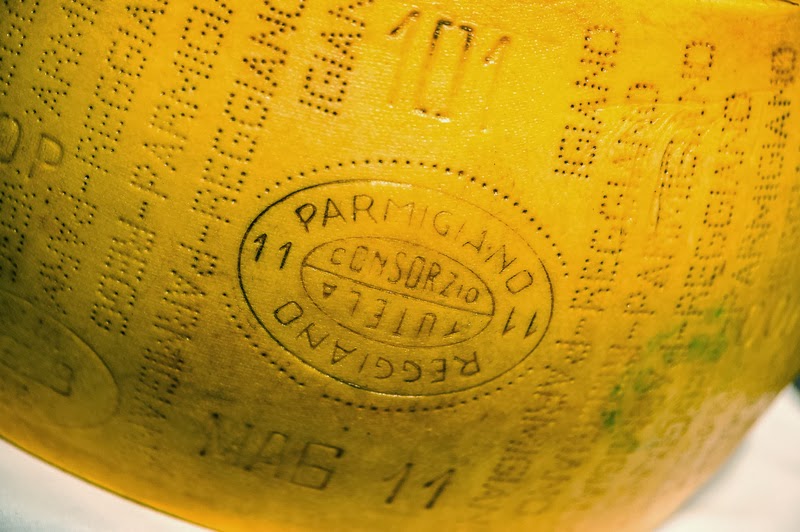
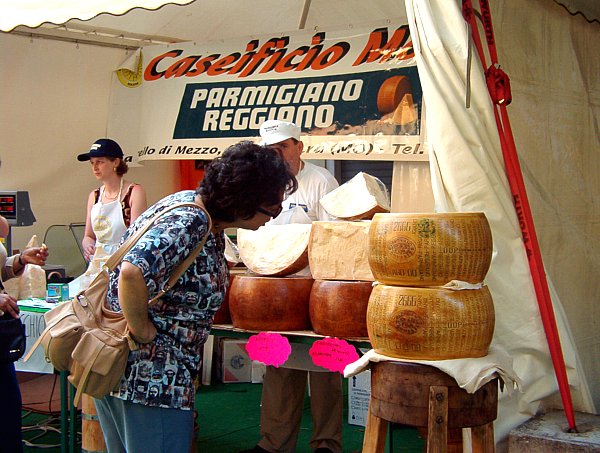
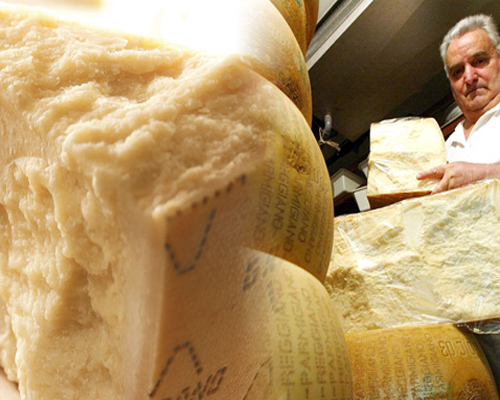
Parmigiano Reggiano is a hard Italian, cow’s milk (during production the milk may not be older than one day), cheese produced in Parma, Reggio Emilia, Modena, and Bologna all south of the Po River in Emilia-Romagna as well as in the Mantova area in Lombardia north of the Po River. Parmigiano referring to the city of Parma and Reggiano of course references Reggio Emilia. Parmigiano Reggiano is made via a, time honored, 13 step process. Parmigiano Reggiano is the longest aged of hard Italian cheeses—24 months, on average, but can also be purchased as a 12 month and 36 month aged product. See the following article on making Parma cheese from the New England Cheese Making Supply Company
Grana Padano which is very similar to Parmigiano-Reggiano is produced primarily in the Lombardia region of Italy. Grana contains less fat and is aged less than Parmigiano-Reggiano, moreover the cows may have a different diet and the milk processed for a longer period of time. I often use Grana for grating because it’s less expensive than Parmigiano-Reggiano and has a very similar flavor and texture.
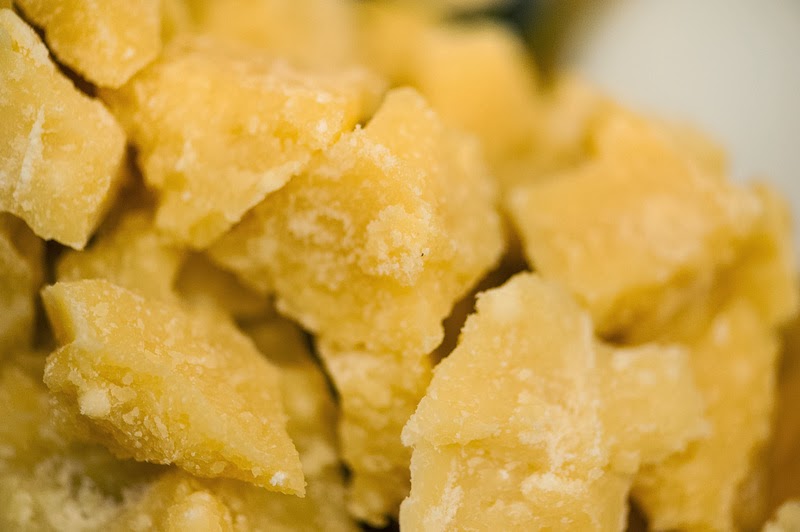
Both Parmigiano-Reggiano and Grana Padano are, of course, not just suitable for grating on pasta but also wonderful table cheeses. In fact, I’d argue it’s more appropriate to enjoy a chunk of the aforementioned cheeses with fruits and nuts after a meal than it is with pasta! You could also serve Parmigiano-Reggiano and Grana Padano with some aged balsamic vinegar.


2010 Olio Verde Extra Virgin Olive Oil
(photo: 2010 Olio Verde extra virgin olive oil from Sicilia, I had to scramble and take a photo before I consumed it all!) Anytime I’m asked to taste a product from the southern provinces of Italy I get excited, very excited….
Meatballs with Tomato Sauce (Polpette al sugo)
(photo: meatballs prepared with veal, pork, and beef and pan fried; we ladle a bit of tomato sauce over the meat prior to eating)The Italian meatball (believed to have originated during the Roman Empire around 55 AD.) has reached legend…