
Food Philosophy – You Got to Be Kidding!
If you’re not an avid reader of the Atlantic (or similar general interest magazines like the New Yorker) then you’ve undoubtedly missed both B.R. Meyers’ anti foodie argument/rant (in a piece called, “The Moral Crusade Against Foodies – gluttony dressed up as foodie-ism is still gluttony”) and James McWilliams’ March 1st response entitled, “B. R. Myers and the Myth of ‘Sustainable’ Food“.
Both articles are entertaining and touch on highbrow food terms/concepts such as organic, locavore/local, slow food, food sustainability, etc. yet have the stench of pop sociology that would make David Brooks rage with anger (Brooks is the only popular writer that is objective enough to get non academic sociology correct). Heck, McWilliams even mentions Immanuel Kant and French philosopher Pierre Bourdieu (and this is coming from an ex-Philosophy major who was entrenched in circles which espoused theoretical bullshit on a consistent basis)? At the end of day here’s what both writers are saying: Meyers’ article condemns “foodies” for being glutenous while McWilliams’ piece points out no one is correctly doing sustainable food.

Eat Like You’re Off the Boat!
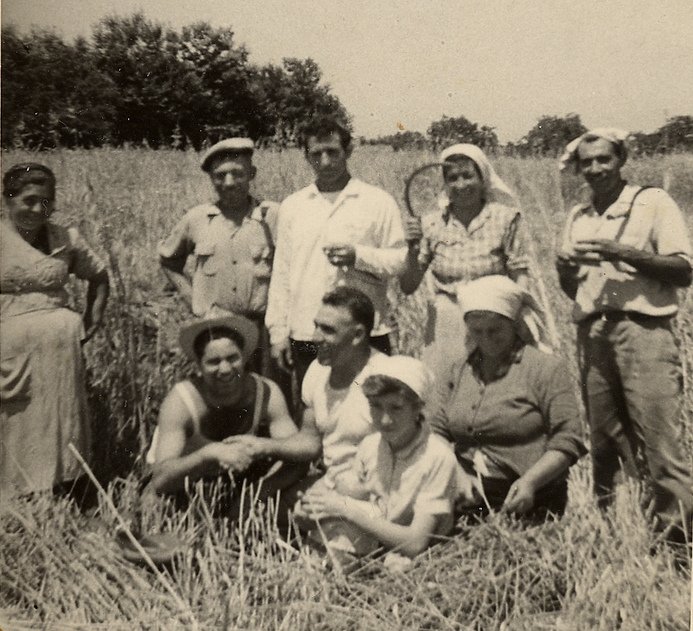
My simple reply to the arguments above: eat like an immigrant. Well, it wouldn’t hurt to ignore labels like “foodie”, “organic”, “local”, etc and turn off Anthony Bourdain’s cable TV show, as well. The aforementioned labels aren’t anything new (as my good friend Dr. K reminded me recently) and eating food that is made near one’s home is exactly what my Calabrian family has been doing for a couple of hundred years. They eat wild arugula and mushrooms from the forest, raise and slaughter their house guests (viz., pigs, goats, and chickens), and take a trip down to the sea to buy swordfish, anchovies, and sardines from the folks living in Bagnara Calabra. My family has no idea what a “foodie” is and why a guy like Bourdain (born and raised in New Jersey) stuffs his face on TV proclaiming Kuhnian paradigm shifts whenever his brain receives a novel transmission from their tongue (ratings? fame? sensationalism?).
What it means to eat well may be to simply try and eat like people who have lived in the same spot for hundreds of years and emanate from a real food culture (e.g., Chinese, Mexicans, et. al.). You really can’t do this in the United States in a 1:1 fashion yet, but you can try hard hard and get pretty damn close. There are plenty of examples if you live near a large city; just go and spend some time in an ethnic neighborhood or ask first generations Indians, Koreans, Italians, etc. what they’re having for lunch and dinner. In New Jersey, for example, we have the third most diverse population in the United States (which is also coincidentally one of the healthiest compared to it’s American born population) and you’ll see that eating well is about eating simply; making the cuisine of your homeland, using the best ingredients you can find, and repeating the process everyday of your life (and if you’re an extremely thoughtful individual making sure you pass the food culture to your children).
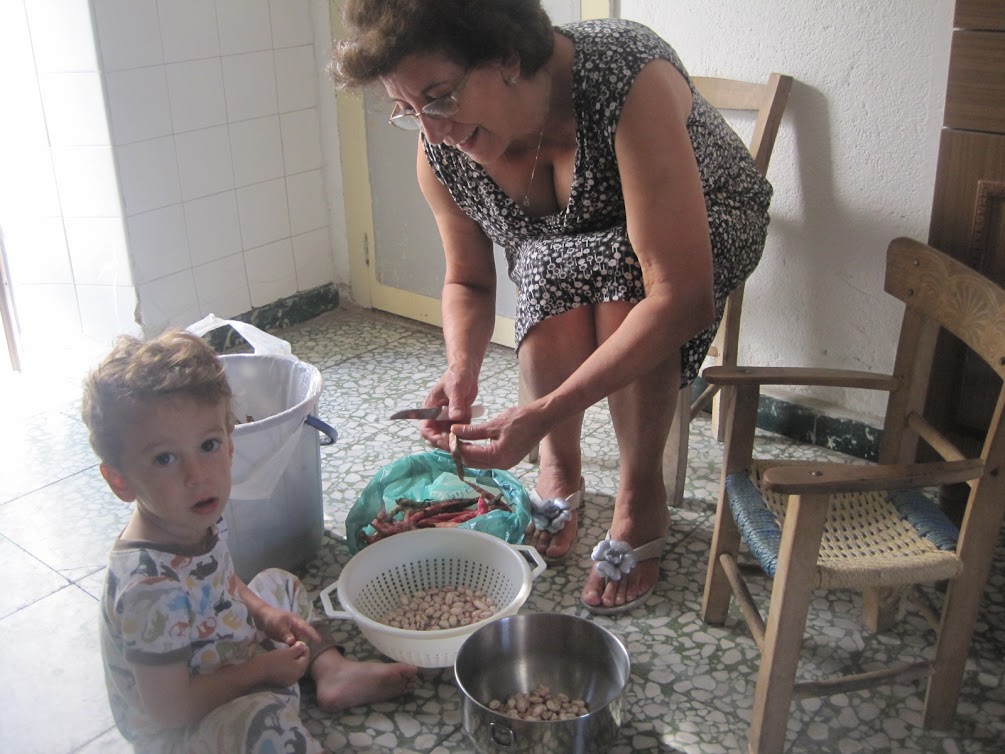
While I enjoy reading about food the discussion should never be on the level of ontology; that is to say, we eat, as humans, to sustain ourselves and gain a bit of pleasure (I’m with Bittman here). I eat well because, as I said above, I want to pass along one of the most pleasurable parts of human existence to my family and friends and, as any self confessed epicurean contrarian would argue, I’m not a foodie.


Great post! Couldn’t agree more.
Cento Italian Pantry Giveaway
(photo: some of the items in the Cento Italian Pantry Giveaway, including pasta, olive oil, hot peppers, etc.)Last summer I espoused the virtues of the Italian pantry and the concept of being prepared to cook and eat well every day…
How to Have an Italian 4th of July
Let’s face it, without the many ethnic groups now a permanent part of the US fabric we’d all be living in a pretty bland and sterile environment. Specifically, immigrants are at the heart of American life and they…
Simple Italian Food: The Anatomy of a Dinner
(photo: examples of simple Italian food: lentil soup, fennel and cucumber salad, and flounder with breadcrumb topping)We’re at a food crossroads in America and anyone who takes food seriously in the United States should consider themselves lucky …