Recently in Wine Category

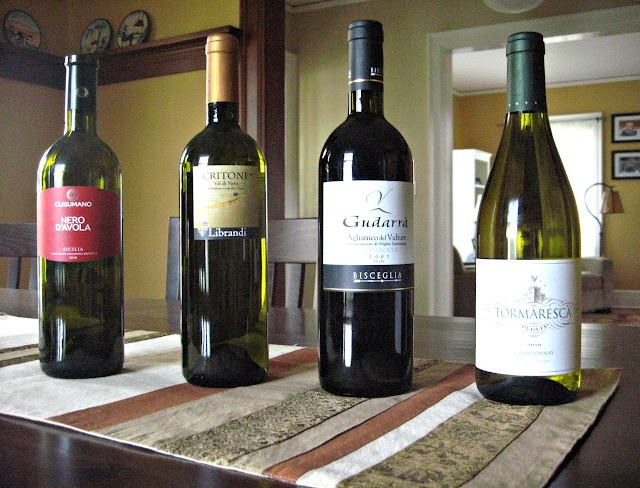
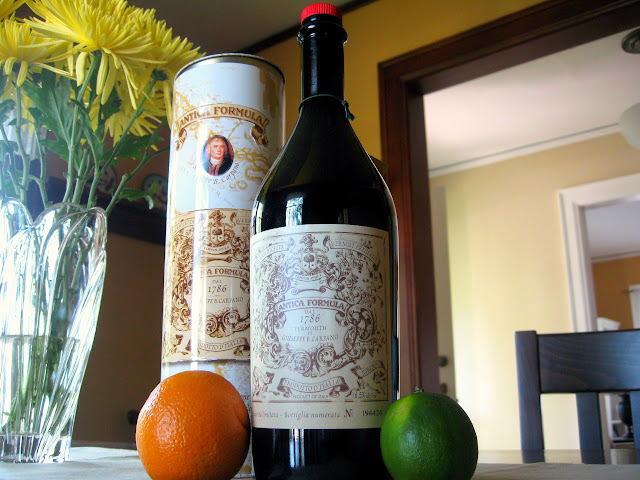
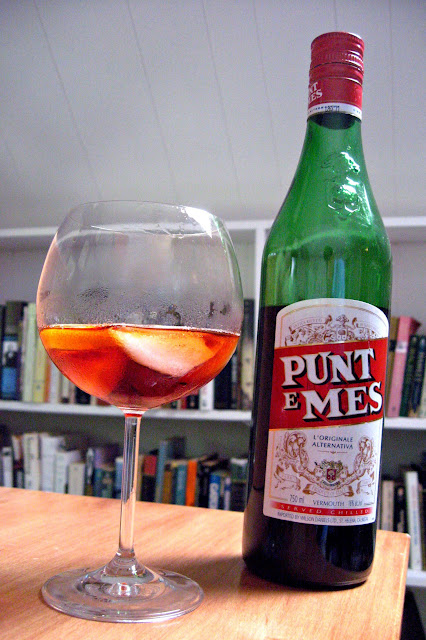
IMG_1201.jpg

Dorothy Gaiter and John Brecher have been reviewing wines via the Wall Street Journal's column Tastings for 11 years (now that's a lot of bottles!).  A recent Wall Street Journal article summarizes Tastings' readers most asked questions; Dorothy and John have received over 1000 questions about wines and most of them, they state, can be summarized via the following 11 questions (grouped by the most asked question last):

1. What's the best wine glass?
Large 20-22 ounce wine glass, this way you can swirl wine (releasing aromas).  Glass should be thin, clear, and long stem.  Don't buy expensive glasses because they will break.  Authors like glasses from Pier 1 and Costco, as well as Vino Grande Burgundy from Spieglau (owned by Riedel) as an everyday glass

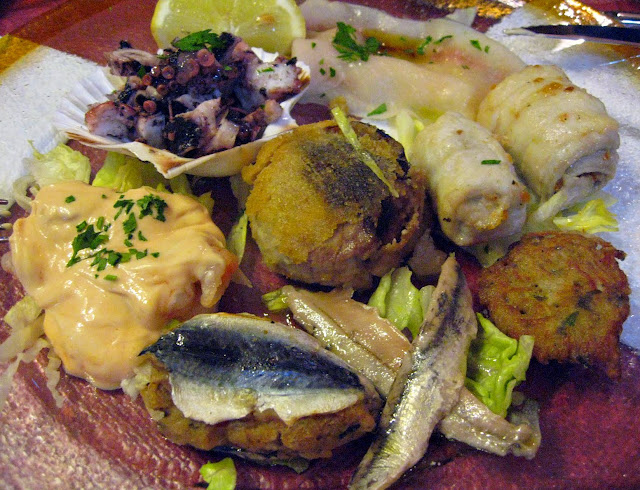
IMG_1164.jpg

2. Where are the best wine values coming from these days?
Chile, in one word!  Authors like Cabernet Sauvgnon and Sauvignon Blanc. Argentina (Malbec - here is my favorite Malbec: Ruca Malen Malbec), New Zealand (Sauvignon Blanc), and South Africa (Sauvignon Blanc) are good bets, as well.

3. What wines are good for a party of large gathering?
For white go with Sauvignon Blanc from New Zealand from Chile or New Zealand and for red a Malbec from Argentina.  In terms of a sparkling wine, they like Cava (I like Prosecco from Italy - here is my favorite Prosecco: Cantine Riondo).

4. How Do You Remove Wine Labels?
Heat oven to 350 degrees and thereafter place bottle in turned off oven.  Wear mitts when removing bottle and peel label off.  You can also try boiling the bottle.  They also recommend simply taking a photo of the wine label!

5. Should you decant?
Short answer is no.  You should decant if there's lots of sediment. Also, note that most wines are created to be consumed over a 1-3 year period.  

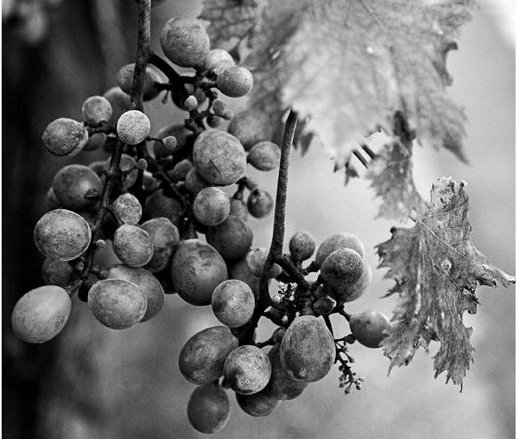
IMG_1198.jpg

6. Should wines be stored a temperature controlled cellar?
Mixed cases can be kept on the floor of a closet for a short period of time.  Fine wine can be storred in a wine fridge.  If you're looking to store a bottle as a celebration of a new born try Sauternes.

7. How do you find a bottle of wine that has been in the media or one has had at a restaurant?

8. I Love X wine what do you think of it?
Doesn't matter what experts think.  Drink what you like.  You should however maybe try different wine types that are similar to wines you have always loved - this expands your wine world!

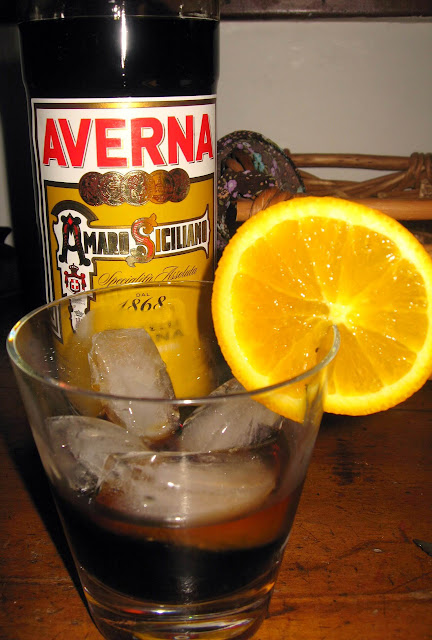
IMG_3065.jpg

9. Why does wine give me headaches; sulfites, right?
No, it's not sulfites.  At times it has to do with histamines and other complex chemistry - talk to a doctor if a particular wine gives you a headache.

10. Wines in Europe do not contain sulfites, correct?
All wines contain sulfites.

11. I'm going to a wine region, what wineries should I visit?
Try little places you never heard of because you will probably meet the owner and also try wines you would never be able to try at home.

12. I have an old bottle, how much is it worth?
Single bottles are never purchased outright from a private buyer, so enjoy your old bottle of wine.

12a. When will this wine be at it's peak?
Depends on wine type, storage method, and personal taste. Overall, open it when you feel the time is right.  Remember, Open That Bottle Night 10 is February 28th.

Scordo.com articles on wine:


bigspend.jpgMost people live beyond their means because they want to feel and be perceived as being wealthy.  A Coach handbag or Mercedes-Benz sedan screams, "hey, look at me I can spend money and feel good about it!"  Feeling good about buying stuff or a particular type of high-end lifestyle is not inherently a bad thing, afterall we all want to live well and be exposed to nice things (even your most extreme cheapskate feels this way - it's not a Western thing or a by-product of materialism, but rather just human nature).  However, there is a trick to feeling "wealthy" but not hopping on the luxury purchase bandwagon; that is, concentrate on items and things that don't have a high premium or cost of entry.  So, for example, purchasing a luxury car or watch requires a large sum of money yet purchasing high end foods, although still a bit expensive, does not have the same high cost of entry.  My parents, for example, have never driven a luxury car, worn designer clothing, or lived in a highbrow neighborhood, though they spend a considerable amount of money on quality food each week.  Eating well provides my parents with their own "luxury lifestyle" at a fraction of the price of most "luxury goods."   

I've adopted the same mentality in terms of food and I often splurge on organic meats, vegetables, and fruit.  I also aim to buy fresh fish each week and enjoy quality cheeses, breads, and wine.  Spending a bit more on food and wine each week makes me (and my family) feel as though I am living a good, high quality, life.  And the bonus is that I'm not overextending my weekly budget or taking on any debt to buy my free range whole chicken or bottle of Southern Italian red.  

So, try cutting back on obvious luxury buys like jewelry, cars, clothing, shoes, electronics, products that require a monthly fee, etc. and go high end on items that do not have a high price of entry.  For our family, as I've said, that luxury item is food/wine.  Specifically, here are some things that we buy each week that provide us with a luxurious lifestyle:

1. Organic fruits and vegetables (whatever is in season)
2. Freshly baked bread
3. Free range eggs (they taste better, really!)
4. Fresh, wild, fish
5. Free range, whole, chicken (which we have our butcher cut into parts for us)
6. Whole bean coffee (which we grind, per use, at home)
7. Organic grains
8. Pasta imported from Italy (so much better than stuff made in the US)
9. Italian tuna in olive oil (you'll never buy Starkist again!)
10. Freshly cured olives
11. Various cheeses from around the world
12. Italian Olive Oil
13. Wine (including the homemade variety)
14. Fresh herbs
15. Dark chocolate

In sum, don't be afraid to spend money on things that make you feel special (if you can truly afford the item) because life can quickly become bland and pointless without true, day to day, happiness.   I do have a couple of caveats, however, before you treat yourself to some practical luxuries: 1., you should have no debt outside your mortgage, 2., you should have a 6-9 month emergency cash fund, 3., you should be fully invested in your company retirement plan (401K, 403b, etc.) and 4., you should have a few outside investments in your retirement portfolio (index funds, mutual funds, bonds, exchange traded notes, etc.)

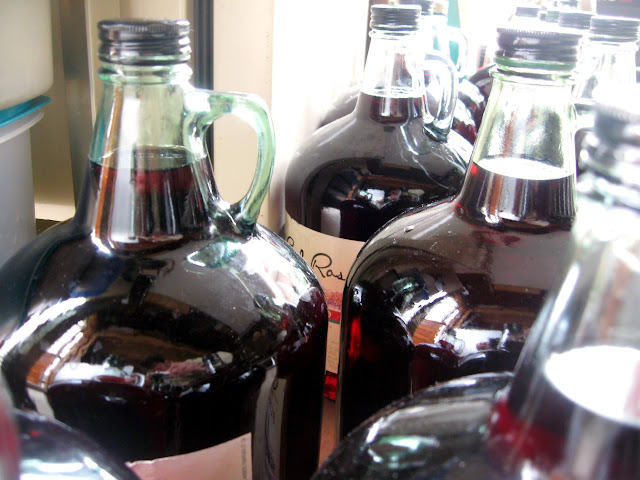
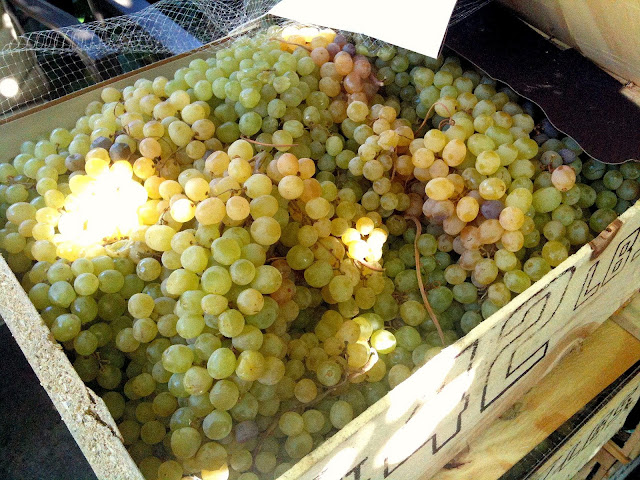
IMG_3066.jpgLet's face it, enjoying and collecting fine wine is an expensive hobby, especially in light of a tanking economy.  My Italian father has only bought a few bottles of "real" wine in a proper wine shop over the years, but yet he consumes two-three glasses of wine each night.  You're probably asking yourself at this point: well, how does he consume wine if he doesn't buy any bottles?  Well, my father makes home-made wine and has been doing so for the last 35 years (in the US).  My father's argument for making his own vino centers on: cost, taste, and ritual.  That is to say, he can't stand to spend money on anything he can do himself, enjoys the rustic/flavorful nature of home-made wine, and enjoys getting his hands dirty every September.

wine_nunz.jpgWell, what wine should you buy? This is a big question, maybe even equivalent to other big questions such as, "Does God Exist?" , "Do we have free will?", and the classic, "What is Truth?"  Unlike big philosophical questions, however, figuring out which wine to buy for dinner, keeping in the cellar, or just for a nice night by the fireplace isn't too difficult.

Because my preferences for wine are informed by my pallate, the foods I consume, and background, the following list of perferred wine styles (all Reds this time around) is just a suggestion. Drink what you like based on what foods you eat and your own personal background, but don't be afraid to experiment and ask your local wine guy/gal for recommendations.  The best tip I ever got was to walk into a wine shop and ask the salesperson to "build a case of wine" (say, in the $15.00-$30.00 per bottle range) with varried styles and world regions in mind.

shortribs.jpgNothing says the Fall like slowly simmering meats in a big pot!  My personal favorite braising meat is the short rib.  According to Chow.com, "Short ribs are cut from different sections of the 12 ribs that start at the chuck (shoulder) and continue to the loin. Relatively square, short ribs have full-bodied flavor and luscious tenderness that develop when they are slow-cooked"

i_perazzi_la_mozza_morellino_di_scansano_2004.jpgWine is one of the great pleasures of being human and I Iove experimenting and finding new varietals to taste.  Recently I've been trying quite a few Malbecs from Argentina and the Ruca Malen Malbec is a fine example at just under $20.00.   Further, I've been looking to find nice values from Italy (Barolo will break the bank) and have recently pointed readers to Aglianico and, now, Morellino di Scansano.  Mario Batali and Joe Bastianich recently purchased some land in Toscana and have been producing a nice varietal at under $14.00 (I Perazzi Morellino di Scansano La Mozza).  Here's a snippet from Wikipedia on Morellino:

Morellino di Scansano does not need to age in wood and can be released in the January after harvest, meaning that it can be found on the shelf with less than 8 months of life, thus an amazingly fresh and crisp wine.

It is only in the past twenty years that vintners have begun to harness the potential of this coastal terroir, other areas that are very similar in terms of their microclimate such as Bolgheri are already world famous. This means that consumers can get some great value wines of a tremendous quality. Fattoria di Magliano, Castello Romitorio, and Fattoria dei Barbi have been writing the history of this young denomination, which is still lacking a definite identity but in general is a fresh elegant, high-quality wine

vulture.jpgI really thought hard about posting this one (for the fear that my dear old wine would become trendy) but here goes. 

One trick you should take to heart as a wine consumer is to NOT chase the hot wine of the day.  An example would be buying Pinot Noir after Sideways was released.  Wine prices spike according to popularity, so I like to buy lesser known wines for a better value and product.

One hugely underappreciated wine varietal is Aglianico from Southern Italy.  Aglianico is sometimes referred to as the poor man's Barolo and is grown primary in Campania and Basilicata (Aglianico del Vulture). 

Aglianico has huge flavor and high acidity (making it popular for roast lamb and other meats, as well as the summer tomato salad, olives, cheese, and bread type meals).  The wine can also age, which is another plus.  A nice bottle can be purchased for $13-$20, $40-$70 will probably get you the best tasting wine you've consumed over the last 10 years (especialy if you've been drinking Pinot, Cabernet, Shiraz, etc. which carry huge premiums for better bottles)

Read more about Aglianico at: Wine Weekly, About, Wine Review Online, Vaynerchuck at WineLibrary.com, From K&L, Classic Wines,

Are you looking for the perfect summer salad, but with an added protein punch?  If so, give the following salad a try:

  1. 1 can of black beans (dried beans offer better value and quality, but they do require prep work)
  2.  Half a bag of frozen organic white corn
  3. 1 finely diced red onion
  4. 1 bunch of fresh cilantro finely diced
  5. 1-2 small Kirby cucumbers finely diced (remove seeds and skin)
  6. olive oil, salt, and pepper all to taste (don't skimp on the olive oil)
  7. dried oregano to taste
  8.  1/4 cup of freshly squeezed lime juice.

Combine all of the ingredients in a large bowl and mix well.  I usually like to make a big batch and use as a side dish throughout the week!  Oh, I think the salad goes well with Zinfandel, so try the two together next time!


horsewell-john-french-countryside-iii-2104836.jpgIt doesn't feel as though Spring has officially arrived here on the East Coast, but you can welcome Spring by preparing the perfect Spring lunch (well at least in the opinion of this humble cook):

The Wine:

Start with a bottle of Sauvignon Blanc, preferablly from Australia and, moreover, from the Marlborough region.  Chill the bottle nicely and don't pay beyond, say, $12.00 (you used to be able to get wonderful Sauvignon Blanc for under $10.00, even around $7.00 -  $8.00 but the wine snobs have caught on and the prices are rising).

The Eggs:

Buy some organic eggs or visit a local farmer's market (if you have the option).  Eggs are perfect for the Spring and Summer (light, but yet filling).  Make a nice omelet with a little fresh cream, salt, pepper, thyme and parsley.  You can fill the omelet with cheese (no American Singles, please); rather use some nice white cheddar from Wisconsin or a nice French Brie.  The key to egg making is NOT to overcook the eggs and NOT to let the curd set up (you don't want a tough chewy egg, rather you want the egg to be a bit runny, whether you're doing scramble, fried, or omelet style preparation). 

So, for an omelet beat the eggs well with all of the ingredients except for the cheese, thereafter adds eggs to a warm (not scalding hot) pan and here's the trick: move the pan and your wooden spoon quickly, forming small delicate curds.  Let the curds set up a little (given that you'll need the egg to be a bit firm to hold the cheese) and add the diced cheese to one side of the egg.  Thereafter turn the egg over to one side and plate the omelet.

The Bread:

Buy some wonderful bread.  If you happen to leave near New York City go and buy some Sullivan Street bread.  Good bread is a good enough reason to live in a major city in the U.S. (there are other reasons but this one is pretty important).

The Olives:

Buy some olives (the French kind with Herbs De Provence are nice), these are called,  Nicoise.  Kalamatas or Greek olives are tasty.  I prefer tiny Italian (black) olives from Calabria.

The Tuna in Olive Oil (please not water packed Starkist):

Buy canned Italian tuna packed in Olive Oil and dress it with a bit more olive oil, salt, pepper, and dried oregano.

The Finish:

That's it!  Sit outside in the sun, but covered underneath an umbrella (that's not a paradox!) and enjoy.  And don't rush.  Oh, finish the meal with an espresso and a nap.

wineroom.jpg

OK, so you know how sometimes you find a new love, maybe you start playing tennis on a given weekend in the Spring and have a realization about how invigorating it feels to drive a crisp forehand over the net or maybe, on a whim, you decide to try the local Sushi place and realize how nice raw salmon tastes with a bit of soy sauce?  Well, that level of enjoyment, across a wide variety of experiences, is just how far most folks go with a given hobby or interest (and for most things that's far enough); but what about a topic or interest like wine?  Should you, as a casual drinker, merely "play" on the periphery or should you really dive in and become a pro?  

Wine, I will argue, should not just be a weekend hobby or "corner store" type of thing (don't settle for that smelly shop around the block from you that happens to sell beer, wine, and peanuts).  Wine deserves more of your attention and more of your brain's processing time!  For example, let's just take how professional wine tasters "taste" a bottle of wine.  The wine "expert" usually assesses a wine on a couple of different fronts, beginning with:

- color
- smell or aroma
- taste
- mouthfeel

On the taste front, they asses what's happening in their mouth across there different ranges (thanks to Dr. Vino for making this so simple):

- "attack"
- mid palette
-  finish

If you've seen Sideways, for example, you know that Paul Giamatti is a lover of Pinot Noir because a good example of the varietal has a very long finish (the range that most wine drinkers appreciate most - it's the last thing that happens in your mouth, after all).

Wines like Tempranillo and Cabernet Sauvignon all have very strong beginning taste as well as strong finishing characteristics.

Lately, I've been drinking lots of wine from the Mendoza Region of Argentina called Malbec.  Many "wine experts" believe Malbec has a weak finish and a strong mid palette and they are probably correct, however some experts use the way the wine behaves in the mouth (especially at the end of the tasting) to downgrade a wine.  I don't think this should be the case, after all you wouldn't judge a man's outfit simply by the tie he is wearing, you would probably have a look at his shoes, touch the fabric of his suit, and maybe even look at the quality of his dress shirt.  So, the same should hold true for a wine, in turn here are some wine tasting tips:

1. Taste the whole wine before making a judgment

2. Don't just be influenced by the "attack" and "finish" stages, think about: Beginning, Mid, and Finish

3. Remember, it's not just about taste, swirl your glass to get the aromas going and take short, quick sniffs of the wine (a long sniff is going to quickly die out, so keep that glass swirling and take many short sniffs).  What do you smell?

4. Use your memory when you smell and think of things in past that smell like the wine (don't say cherry, tobacco, lemon zest); be more creative and honest, what do you really smell, if you don't smell anything that's ok, as you taste and smell more wine you'll begin to notice the subtleties).

5. Forget about "mouth feel" and "color" when you've just started to take wine seriously.

movies.jpgWell, what wine should you buy? This is a big question, maybe even equivalent to other big questions such as, "Does God Exist?" , "Do we have free will?", and the classic, "What is Truth?" Unlike big philosophical questions, however, figuring out which wine to buy for dinner, long term storage, or just for a nice night by the fireplace isn't too difficult.

Because my preferences for wine are informed by my pallate, food types, and background, the following list of perferred wine styles (all Reds, by the way) is just a suggestion. Drink what you like, but don't be afraid to experiment and ask your local wine guy/gal for recommendations (best tip I ever got was to walk into a wine shop and ask the salesperson to "build a case of wine" <say, in the $15-$30 range> with varried styles and world regions in mind).

Wines of Calabria

While not the most well known wine region, Calabria is the home of my parents so the wines of the region are the very first wines I tasted and also happen to map well to the types of food I enjoy (afterall Bordeaux and Caberney do not pair well with pasta and sauted escarole). Calabria has two key environmental qualities making it ideal for growing grapes: constant sunshine and mountain air. Ciro is the most well known wine producing region of Calabria. Ciro produces wines from Cabernet Sauvignon and Gagliopppo. Ciro also produces two full bodied red wines: DOC Rosso Classico and DOC Rosso Riserva. Other well know reds include Gragnano, Pollino, Lacrima di Castrovillari Pollino, and Savuto. Most Calabrians also produce a house wine or homemade wine which is vibrant and full of flavor! Thanks to the book, Cucina di Calabria, for the primer on wines of Calabria.

Bordeaux

Maybe the king of wines; produced in France and heralded by big time wine guys like Robert Parker. Bordeaux has big flavor and lots of tannins and is usually blended with Merlot and Cabernet Franc. This is the type of wine that can store well.

Barolo

As an Italian, I can tell you the French having nothing on a big, bad bottle of Barolo! This wine is made from the Nebbiolo grape and can store for decades. The wine is made near Torino (in Piemonte) and is rich and full bodied. This wine will explode in your mouth! My overall favorite!

Southern Rhone Blend

Made primarily from Grenache, which is a sweet red grape. On its own Grenache doesn't have much character (in my opinion) but when blended with Syrha or made into a Rhone blend it is outstanding!

Tempranillo

This grape is native to northern Spain and usually blended with Grenache (sometime Cab) to produce a velvet red wine with very rich flavors

Pinot Noir

OK, you've seen Sideways so you know this wine (it doesn't just grow in CA however, the Burgundy region of France is famous for this type of wine, usually blended to produce Côte d'Or. The movie got it right, though, so drink up and enjoy. Pinot noir contains loads of fruity flavors such as cherry, as well as light spice.

Cabernet Sauvignon (or Cab)

Many of the world's best wines are made from this grape (including Bordeaux). Loads of flavor here with high tannins, hence the wine can be stored for decades, maybe even centuries (if the correct vintage is had).

I'll aim to post wines and price going forward, but can't promise much! Go to WineLibrary for good wine recommendations and easy ordering. Cheers!

Welcome To Scordo.com

RSS feed graphic for scordo.com Subscribe to Scordo.com via RSS

Scordo.com is a weblog about living a practical life, including tips and thoughts on "how-to" and saving money. Scordo.com is run by Vince, a regular guy who, raised by immigrant (Italian) parents in the US, saw first hand how to live a frugal life, save money, and not live like everyone else. You can read more about me here.

Follow me on social network sites:

twitter.png
Twitter Scordo.com
facebook.png
Facebook Scordo.com
stumble.png
StumbleUpon Scordo.com

Contact me at:

email scordo.com: blog at scordo.com
Money Hackers Network
Frugal Hacks

Note: The views expressed herein are solely my own and should not be attributed to my employer in any way. This site is not maintained utilizing my employer's resources or on company time.