
How to Shop for Fruit, Vegetables, and Fish
For some folks, going to the market is a weekly chore and for others it’s an opportunity to purchase wonderful meats, vegetables, cheeses, fish, and fruits. It’s probably no surprise that we fall into the later group here at Scordo and that we actually look forward to food shopping!
It wasn’t until I learned how to shop for food, however, that I began enjoying looking for the ripest tomatoes, freshest salmon, and just-roasted coffee beans. Learning how to shop for quality food is not rocket science, but there are some basic rules to follow (specifically in terms of produce and fish):
Fruit
Buying in season is key so, for example, do not buy peaches, cherries, and plums during the Winter months. Buying organic across the board is also not always necessary, but there are some fruits and vegetables that yield less pesticides when purchased in organic form, for example: grapes, apples, berries, pears, cherries, lettuce, tomatoes, and beans. Organic produce usually tastes better that generic conventional stuff flown in from other parts of the country/world, but I’ll often buy non-organic fruits and vegetables if the items appear fresher and are local (generally, and in my view, local is better than organic).
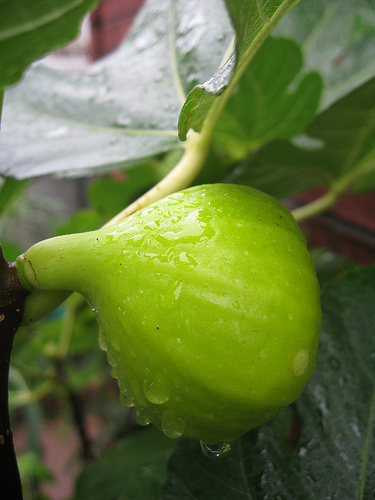
In terms of picking specific fruits at the market, look for ripe, but not too soft tomatoes and peaches, for example. Some fruits should smell, well, like fruit; you can smell a good peach at the market. The exterior of most fruit should be vivid in color and blemish free. Pears, bananas, peaches, figs, and some plums will ripen at home, while grapes, oranges, etc. will look and taste like they do at the market.
You can apply the same technique to picking pears as you do to peaches, though you won’t get any pear scent if you hold a pear to your nose at the market. Fortunately, there are fruits that you can just sample at the market and buy on the spot if they taste good (for example, grapes, cherries, strawberries, and apples)!
Vegetables
When it comes to selecting vegetables things are a bit easier as you basically want to look for crisp green colors in vegetables like arugula, romaine lettuce, string beans, collard greens, escarole, dandelions, and Swis chard (brown or yellow is not good and leaves should not be wilted). A little dirt and a garden bug or two is a good thing (if bugs can live, then the pesticides aren’t the kind that kills everything). If you’re looking for onions or garlic make sure the outer skin is tight and shiny. Potatoes should be hard and not contain too many blemishes.
Fish
My wife and I eat fish about 2x per week and we only consume the wild variety including salmon, mackerel, cod, sole, flounder, sardines, scallops, trout, snapper, and trout as often as possible. Tuna and swordfish are delicious but we try not to have it more than 1-2 per month given mercury concerns (the general rule is the older the fish the more mercury it may contain). Good fish, as you probably know, is all about freshness and freshness can be measured if you focus on smell, texture, and physical appearance (fish should not smell fishy or have a slimy appearance and the texture should be firm and shiny, good dish smells like the ocean). When it comes to fish the best thing you can do is to make friends with your local fish guy (ask around and folks will tell you where to get the freshest fish in your neighborhood).
Purchasing the finest foods is not about parking your car outside some random supermarket on Saturday morning and coming out with a week’s worth of groceries. Getting the best fish may require a trip to the fish guy 20 minutes away from home (on Monday) and the best tomatoes and greens may be located at the farmers market a few towns north of your house (which is only open on Thursdays), for example. The bottom line is that if you have the time, food shopping should be done at local shops that have a particular expertise. You should also do your shopping as close to the day you will consume the food as possible.
Happy eating!


5 Important Do It Yourself Tips
I’m a big fan of doing it yourself. However, I will always hire a pro when:1. The project is important. For example, I would never aim to re-wire my electrical system, run a new gas line, or put in a new roof…
Best Of / Top Posts
How-To / TipsBest Tools For HomeownersRecent College Grad TipsHow Many Shoes Should A Man OwnTips on Cleaning Your Kitchen and HomeTips for First Time Home BuyersHow Stress is Preventing You From Leading a Happy LifeHow to Make Homemade Wine and…
Weekly Food Shopping: A Typical Stop at the Local Market
I’m often asked how and what I purchase for food each week given my love for food and my desire to save money. And my answer is: I look for fresh, high quality, food first, then price, and finally food…
Recipe: Wild Cod Risotto, Summer Days, and Esino Bianco
There’s something about eating good food outdoors that makes me feel utterly alive and happy. It may be the fresh air cooling my shoeless feet or the sound of pouring cool Esino Bianco into a wine glass (have questions about…
In Defense of Making Your Own Food or Julia Childs Was Right
How is it that we are so eager to watch other people browning beef cubes on screen but so much less eager to brown them ourselves? For the rise of Julia Child as a figure of cultural consequence — along…
10 Ways to Cook Like an Italian
Photo: Zia Gianna making bread in her olive/chestnut wood fueled oven in Calabria.Everyone loves “Italian food” and it’s many authentic and inauthentic variations, but many people (including chef’s at top restaurants) get Italian food wrong. In …
Recipe: Risi e Bisi and/or Rice and Peas
Risi e Bisi is basically a variant of risotto and while a good risotto is creamy in texture, a good bowl of risi e bisi is looser in composition. As you would guess, the humble pea is the star…
Recipe: Grilled Veal Rib Chops with Chinese Eggplant and Feta and Tomato Salad
Many personal finance gurus will tell you to head to your local food market with only certain items in mind and shop only by price. Moreover, the penny pinching crowd would argue that the purpose of buying, and in…
An Italian Christmas: Traditional Italian Holiday Foods
(photo: typical Christmas Eve dinner table here in the US)Christmas is just around the corner and if you’re celebrating an “Italian Christmas” then you’ve most likely heard of the Feast of the Seven Fishes. The traditional Christmas Eve din…
Why You Should NOT Eat Out and 20 Easy Recipes
According to an Indiana Business Review article, individuals in the US between the ages of 25-54 spend an average of $2833.00 each year on eating out (this is according to 2004 data). While the number is not surprising, it…
On The Myth of Equating Poor Eating Habits with Economic Class or Spending Power
(photo: Bok Choy with garlic, olive oil, and red pepper flakes: $2.00 for 2 pounds) The Tradition You Come From MattersOne of the critical life lessons I learned from my Italian family is how to value food. Specifically, I was…
How to Beat the Winter Blues
As a teenager, and then well into my late twenties, I didn’t give any thought to the winter months and the brutal cold, lack of consistent sunshine, or the large amount of time spent indoors. However, now in my mid…
How can one determine whether a melon (cantelope) is ripe?
A ripe cantaloupe usually smells a bit sweet (so smell the melon at the market). Also, the exterior skin shouldn’t be too soft (if so, it’s probably too ripe).
Keep in mind it’s ok to pick an under-ripe cantaloupe because as long as you let it sit on your counter for a few days it will be become perfectly ripe.