
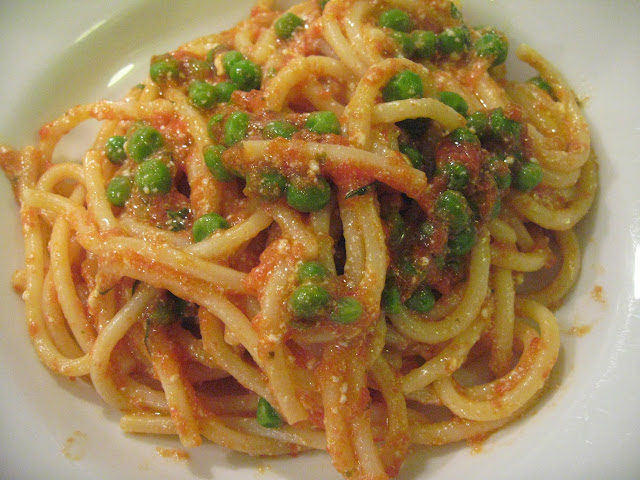
Growing up in 1980’s Northern NJ on a densely packed block full of immigrant families (mostly from Italy via Calabria) both Thursday and Sunday were special days. That is to say, for many of the Italian families in our neighborhood (hailing from Pellegrina, Bagnara Calabra, Grimoldo, and Ceramida) Thursday and Sunday were designated as pasta days ; hence our 8 Tips to Make Great Pasta at Home article!
My mother, from Pellegrina, would often make pasta with Tomato sauce on Sunday and then a more exotic pasta condiment on Thursday (maybe a ragu of rabbit with Pappardelle, for example). And I’m convinced our New Jersey block had a higher relative humidity on the aforementioned days because of of all the pots of boiling water going at once (ever notice why Italian kids have great skin!).
Here, then, are eight pasta tips gathered from the many Calabrian women on Oregon Avenue (from, say, 1979-1994) in New Jersey. And enjoy your pasta!
1. Buy the best possible dry pasta on the market. Like fine dress shoes, you get what you pay for in terms of dry pasta. Good dry pasta usually comes from Italy and is made with 100% semolina (Durham wheat) flour and spring water. The better Italian products are also made by hand. De Cecco is a fine readily available pasta brand. Rustichella d’Abruzzo uses better ingredients and process for a nicer end product and is usually sold at Italian specialty shops, but can be found at some Whole Foods markets, as well. You should also experiment with other imported pasta brands, there are tons on the market and most of the high end pasta (that is, the packages selling for more than $4-$5 for every pound and/or 500 grams) is of good quality.
2. Use lots of fresh boiling water. I have a dedicated pot when it comes to boiling water for pasta and I always overcompensate when it comes to the amount of water needed. You want lots of water so that the pasta doesn’t stick during the cooking process. I’ve read a few recent articles on the “myth of lots of water for boiling pasta” and while you can certainly cook pasta in a minimal amount of water, I’m not sure why anyone would want to take the chance of pasta sticking or not cooking optimally so we suggest you use a large pot with a sufficient amount of fresh water.
3. Salt the water right before adding your pasta and as soon as you have a good, rolling, boil going. Not including a healthy amount salt in your pasta water is the equivalent of eating a tomato without salt, so please use plenty of it! In our view, it’s not enough to salt your pasta via your condiment.
4. Once you add your dry pasta to the pot stir often and don’t walk away from the pot. You don’t need to nurse a pot of cooking pasta like risotto, but you should certainly stir every 2-3 minutes.
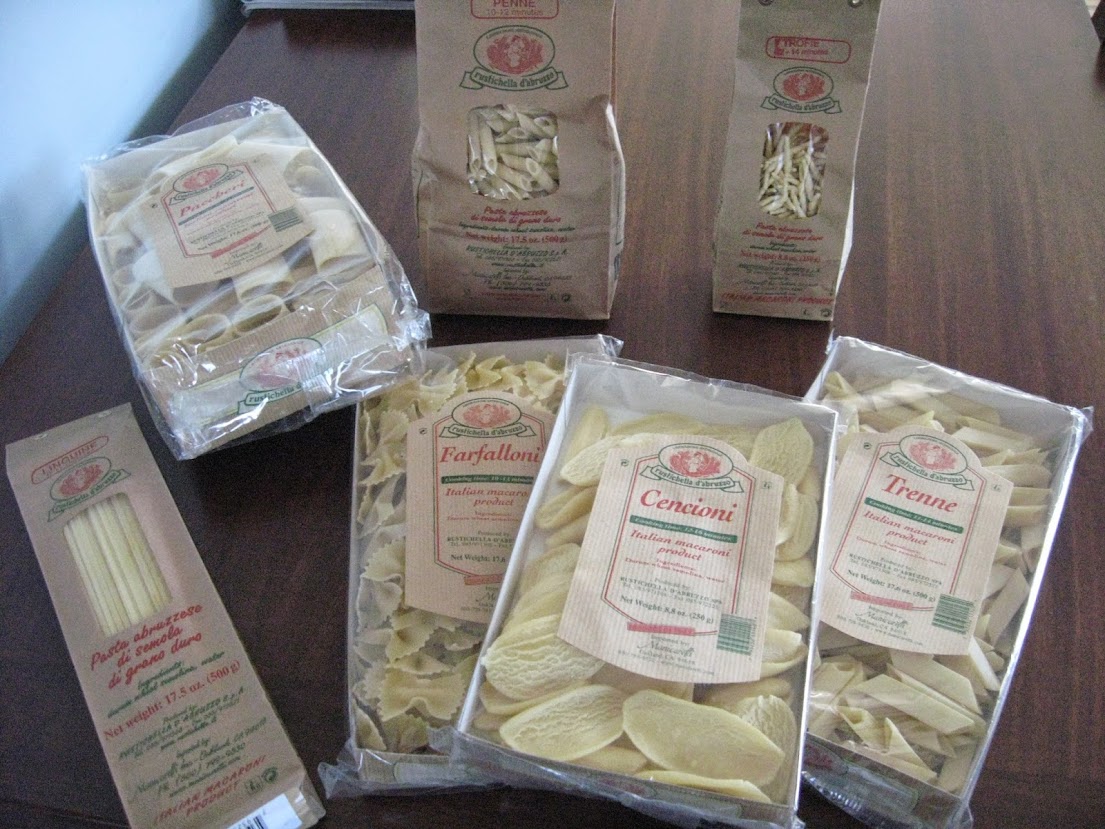
5. Most brands include cooking times depending on pasta shapes so it’s important to time when you add your pasta to the boiling water. Al dente (or to the tooth) is the golden rule, but I know plenty of dyed-in-the-wool northern and southern Italians who go well beyond the al dente cooking time period, Nonno Scordo, for example, preferred rigatoni and penne at 1-3 minutes over al dente. Like finding your niche in the wine world, you should cook pasta to your taste, but please don’t turn it into mush (just keep in mind there should be some give when chewing pasta). Finally don’t add olive oil (or any oil for that matter) to your pot; I see so many folks doing this believing the oil will prevent the pasta from sticking and the claim is simply not true. The only thing that will prevent pasta from sticking in a pot full of boiling water is having lots and lots of boiling water.
6. Add your drained pasta to your hot pan containing the condiment or sauce and never vice versa. Adding your pasta to the hot pan containing the sauce will allow you to cook through the pasta for an extra 30-90 seconds. You should also save some of the starchy pasta water just in case you’re looking to change the consistency of your sauce. You don’t always need to add pasta water to your sauce, as many FoodTV personalities do. Moreover, do not rinse your pasta after the cooking process (again because the pasta contains a coating of starch that allows your condiment to adhere to the pasta)
7. Finish your pasta with a bit of olive oil (I almost always add a bit of olive oil to my completed pasta dish). The oil gives your pasta dish an additional fresh oil component and just finishes the dish. You can add grated cheese to your pasta during the mixing of pasta and sauce in your pan and then again at the table. You can use Parmigiano-Reggiano, Grana Pa’dano (a great substitute for the more expensive Parmigiano-Reggiano) , or Pecorino Romano (note Pecorino Romano is not a substitute for Parmigiano-Reggiano)
8. Watch your portions. Most Italians have pasta as a starter for any given dinner or lunch and not as the main dish. A quarter pound of pasta for two people, for example, is deal.
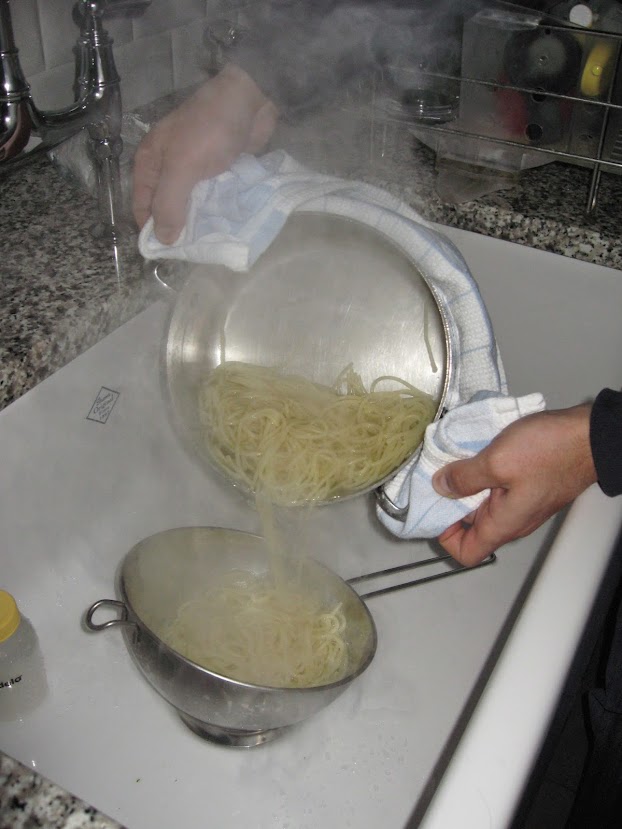


Love your tips…but esp. love the picture!
So much in common !
Growing up 50 years ago in Brooklyn, we ALWAYS had pasta on Thursdays and Sundays, too. My grandparents (both sides) were from a small town near Catania in Sicily. The town is called Francofonte.
Hi Robert, yes I think we probably had many of the same experiences growing up in the NYC/NJ area! I have relatives in Palermo; have you been to Francofonte?
Best,
Vince
USDA Dietary Guidelines and My 3 Step Food Philosophy
(photo: eat more real food like tomatoes, red onion, sardines packed in olive oil, fresh whole milk mozzarella, great bread, and red wine) The web is on fire with talk about the recently revised dietary guidelines from the USDA. &n…
Book Review: Domenica Marchetti The Glorious Pasta of Italy
(photo: the photos found in the Glorious Pasta of Italy are truly impressive; on the left is a photo of our pasta pesto) There’s no way around the obvious fact that Italians are slaves to pasta. The typical Italian (northern…
Recipe Linguine with Cauliflower and Garlic
(photo: linguine with cauliflower and garlic)After posting the above photo of a recent pasta dish my mother cooked on our Facebook fan page, we were overwhelmed with requests for the recipe. So, without further qualification here’s a simple reci…