
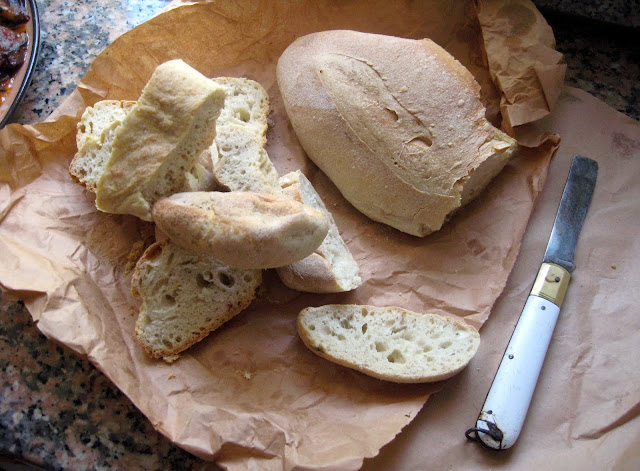
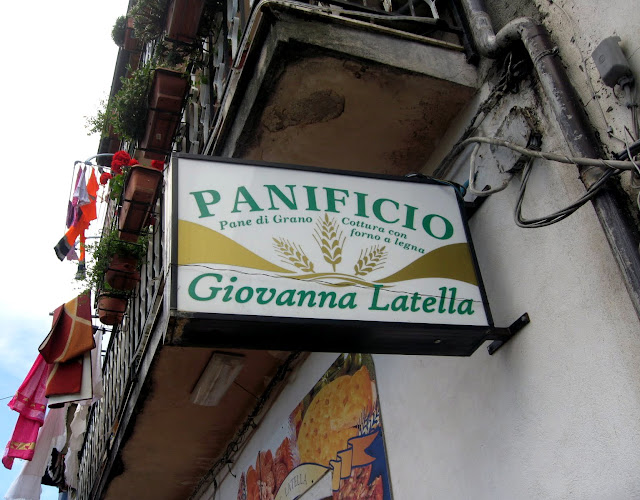
The Panificio is at the heart of the typical Italian’s relationship with bread. And most Panificio’s in Italy produce various types of pani; including, 1. regional and/or 2., national bread varieties that are made everywhere from Toscana to Calabria. In Calabria, for example, most Panificio’s produce:
- Pizza
- Panini (soft bread used for making sandwiches)
- Focaccia
- Pane di Matera (a durum wheat product)
- Friselle
- Pane di Castagne
- Pane comune
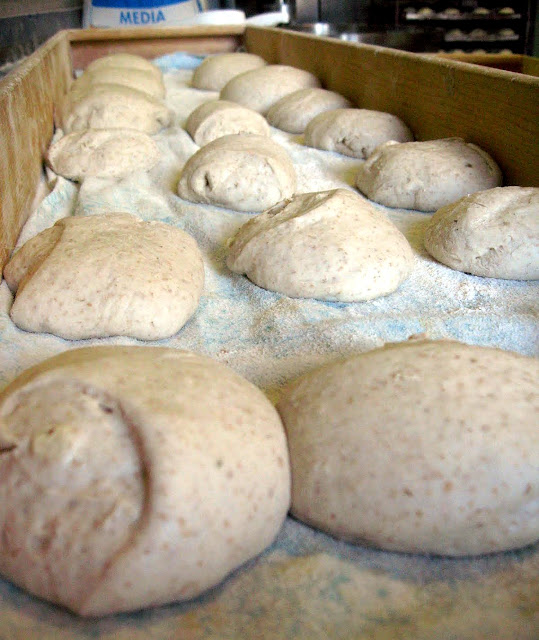
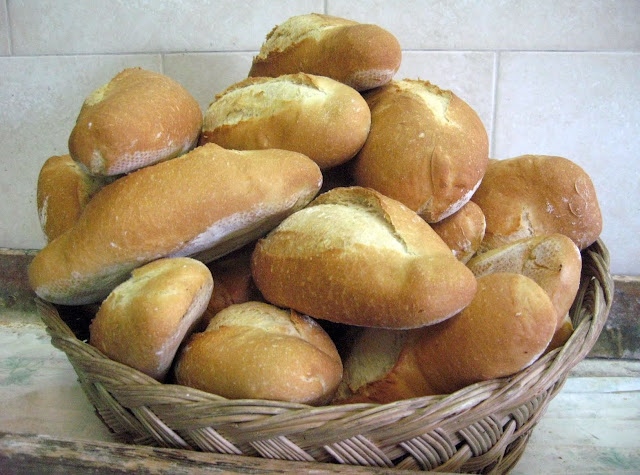
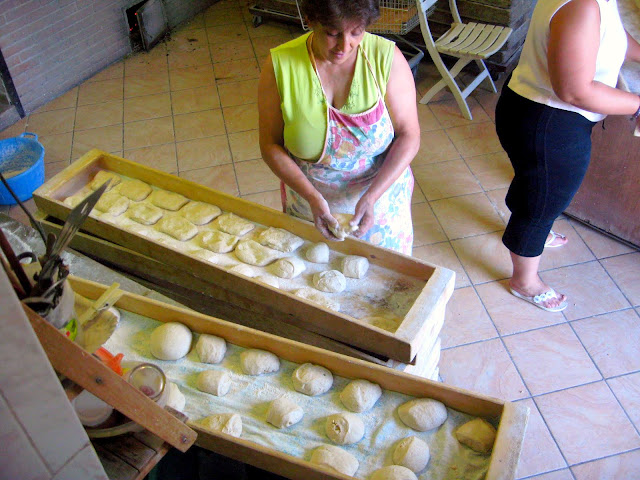
My beloved Zias Giovanna and Teressa operate their own artisinal, olive wood fired, Panificio in Calabria and they produce many of the breads mentioned above. The Zias produce Pane di Grano or “the bread of grains” – a specially selected durum wheat traditionally used in Calabrian bread making. As the SunnyLand Mills web site points out:
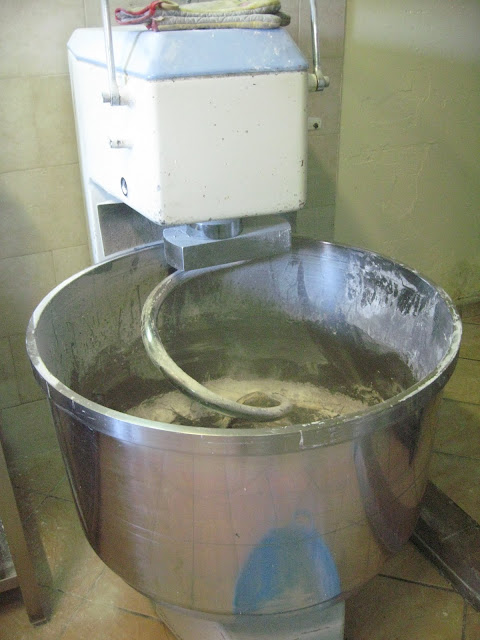
Photo above: one of the large mixers used for some production, not all)In southern Italy, where grains have been cultivated since the 5th century B.C., Grano originated in early cooking as a simple, nutritious and flavorful meal prior to the invention of pasta. While Grano has a long history, until recently it was not known outside of specific regions in Italy. American chefs are now realizing the variety, whole-grain goodness, flavor and simplicity of Grano
Panificio’s are still abundant in the South but in the more cosmopolitan North there is a shortage of qualified bread makers, so much so that the national government offers incentives for citizens to become bread makers and set up Panificio’s.
I’ve always been critical of American bread and it’s a claim I still stand behind. While there are high quality bread shops in large cities (like Sullivan Street Bakery in NY and Balthazar’s in NJ), most bread being sold and eaten in the US is of inferior quality. I mention the following not just as a critic but as a signal to demand a bit more from the bread you consume; who knows the realization may even inspire you to produce your own artisan bread, just like our good friend Dr. K!


I still love to make my own bread although I don’t have the luxury of a wood-fired oven. Is there an Italian bread recipe on your site?
My blessed wife is becoming quite the baker, her breads are constantly getting better, I am so lucky! This is a beautiful article and pictures, thank you…..CD
great article Vincent, bread is such an integral part of Italian meals!! and I love the pictures!!
can I have the recipe please