
How I Learned to Cook Italian Food and Creative Cooking
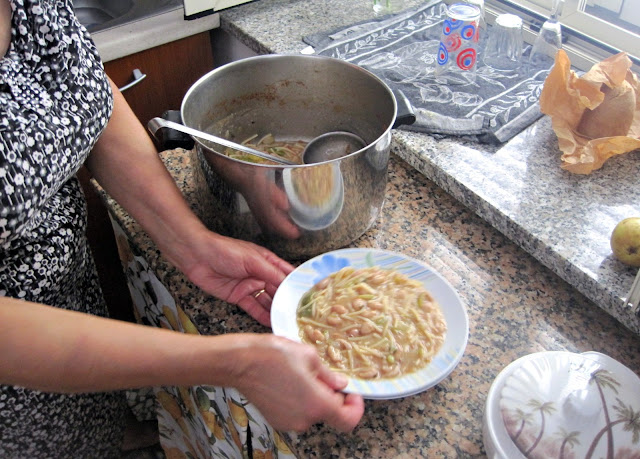
Like most Italians I learned to cook by watching my mother and grandmother prepare food in their home kitchens. And both woman cooked dishes that were driven by what their mothers cooked at home (and, if I had to guess, this tradition of learning how to cook at home goes back Ad infinitum in our family). Most, if not all, of the dishes I prepare and feature here on Scordo are complete, and very proud, rip-offs of my mother’s home cooking and very long food tradition.
Moreover, when I cook a new Italian dish I often ad lib as much as possible and call my mother for advice (like a good Italian boy) only when I’m completely stumped on an ingredient or step in the cooking process. One could argue that I cook by intuition (maybe even via “first principles” or a priori) and the “food tradition” I was raised within; in short, I don’t feel intimated when cooking food at home. And, in fact, it’s the aforementioned kind of cooking philosophy that we hope you, the reader of Scordo, will aim to master; viz., we don’t want you to be a slave to our recipes rather we want you and your family to make cooking and food part of your lives and the lives of your future family members. This is, in my view and more than any other current food movement in the United States, the most important thing you can do to advance the food culture in the United States (and increase your level of happiness, if needed!).
With the above said, I cringed and bit down hard on my well seasoned tongue when I read the New York Time’s article on Cook’s Illustrated and America’s Test Kitchen contrarian and acerbic founder Chris Kimball and his dyed-in-the-wool Puritan/reductionist/pragmatic (one could go on and on) view on making food at home. In the Time’s piece, Kimball asserts all sorts of hardcore food principles such as “Cooking is about putting food on the table night after night, and there isn’t anything glamorous about it” and “most cookbook authors don’t care what happens to their recipe when it enters your home.” Kimball also goes on to state that, empirically rigorous testing always leads to the best way to make food at home and that, “cooking isn’t creative, and it isn’t easy. It’s serious, and it’s hard to do well, just as everything worth doing is damn hard.” Have you seen American’s Test Kitchen method/recipe for preparing tomato sauce (talk about hard recipes)?
United States Food Culture, Food Reductionism, and the Evil Chris Kimball from America’s Test Kitchen
In our view, Kimball’s food philosophy is akin to poisoning the food culture in the Unites States because in order for food to become important in the lives of most Americans cooking consistently at home (and this is really the end goal with food in America) it needs to be ingrained in our value system and how we view eating in relation to other components in our lives. And changing our food value system doesn’t come about by viewing and treating preparing from scratch food at home as a science experiment with passionless rigor more akin to a repeatable task like assembling a car than feeling motivated and excited about making good food in a home kitchen every day of the week.
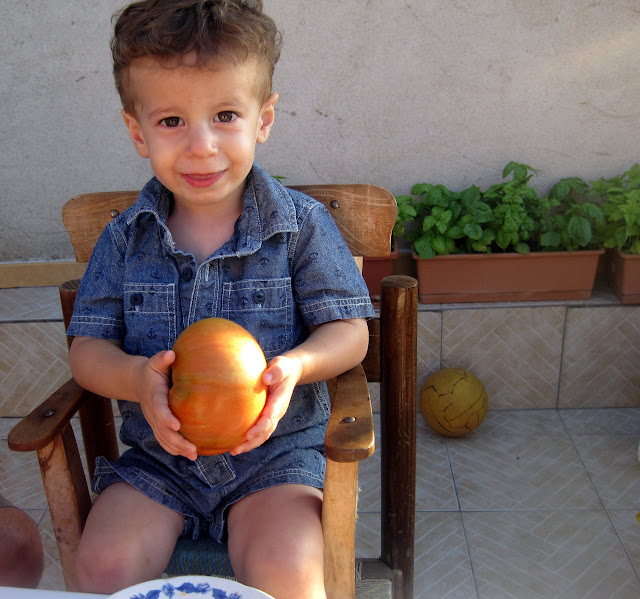
I learned to love food and cooking because I realized, from a very young age, that making food at home was more than following repeatable tasks and sustaining oneself with good enough tasting protein, carbohydrates, and fats. The “more” is about understanding ingredients and where they are from and how they are traditionally used or how food and drink binds families with ritual, pride, and purpose. It also helped that I was born into a family from a country situated in the “old world” where, to a certain extent, food and living well are intricately tied to one another by way of hundreds of years of tradition (and for the poor and the rich alike).
The kind of food reductionism that Kimball preaches in his TV show and magazine is sort of like candy; that is to say, his foolproof recipes on making chicken pot pie, for example, may taste ok in the short term but it’s going to leave you with a nasty emptiness of “only” having assembled a meal and not making the meal, ingredients, process, and culture around preparing food central to a home cooks (and by extension his or her families) life.
Contrary to what Kimball asserts, if the home cooks central task is only to put food on the table in some “acceptable” manner then he or she has simply eaten for the day and not created a long term food tradition and culture for his or her family. Remember cooking is easy and creative (if not now then at some future point) and at the heart of the Italian life; heck we would even recommend you cook without a recipe, even a Scordo recipe, just as long as you celebrate a food filled life). This is not food romanticism, rather it’s the only way to truly love food and make it part of your everyday life.


12 Comments