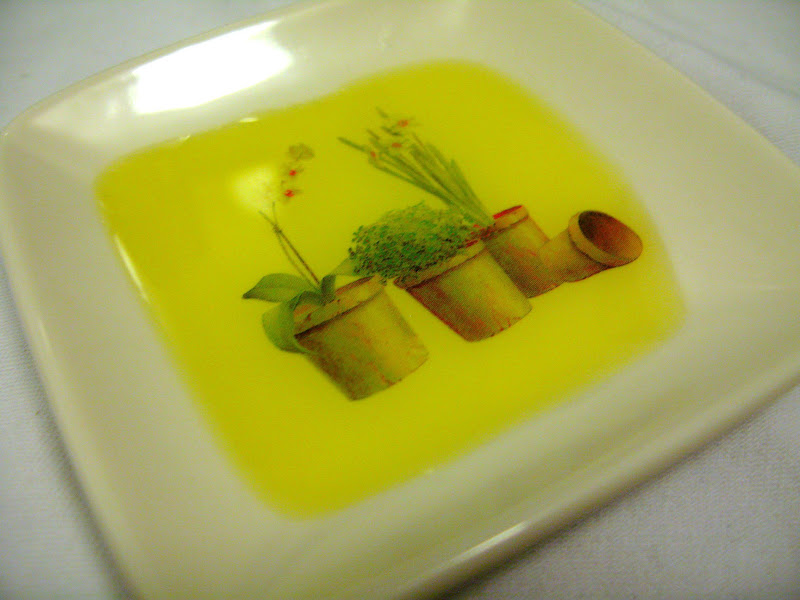
(photo: Bok Choy with garlic, olive oil, and red pepper flakes: $2.00 for 2 pounds)
One of the critical life lessons I learned from my Italian family is how to value food. Specifically, I was taught:
1., how to cook and the closely associated idea of,
2., why food is important and should be taken seriously.
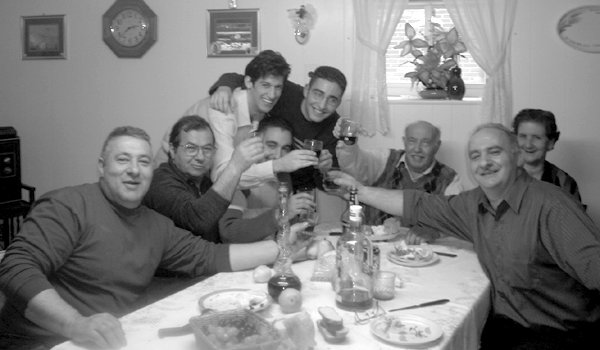
My mother taught me the mechanics of making all sorts of foods from scratch, ranging from pasta to risotto and roasted baby goat to pan seared swordfish. And at the same time, I learned how important it was to make time for preparing food and, thereafter, sharing it at a communal table with family and friends (and to repeat the process as much as possible). I equate the latter lesson I was taught as an Italian boy to the importance of reading and scholarly endeavors in the Jewish tradition, for example. The idea of food being important and necessary for a good quality life is in my blood and I can't imagine living any other way (I know people who place incredible value on Yankee baseball or a shiny new car every three years; misguided values or to each his own?).
In turn, it comes as a great shock and disappointment when one looks around and sees a culture of fast food, obesity, and the general lack of importance in relation to consuming homemade food in the US. Specifically, we hear many reasons from the so-called "food experts", including the notion that buying quality ingredients to produce fresh and homemade food is an expensive endeavor in the United States (ask a European how expensive food can be and did you know that food in the US is actually cheaper than it was, say, 50 years ago <see the documentary Food, Inc.?>). And, moreover, it's more economical for a family of four to purchase dinner and lunch from McDonald's, for example, then to go out and buy fresh food (this isn't the view of the food expert). What the experts are implying is that poor people choose fast food and other high calorie meals because they have no choice and are priced out from shopping for fruits, vegetables, fish, meats, grains, etc.
To the latter assertion I say, "that's nonsense!" And, yes, I'm going to turn to the recent immigrant storybook to illustrate that one doesn't not need to spend a fortune to eat well and, moreover, that a family of four can take his or her fast food budget and prepare "from scratch" meals that are quick, cheap, healthy, and taste good (eating well doesn't equate to the need for great spending power, as the folks at
SeriousEats.com seem to suggest when responding to one of Pollan's eating tips).
(photo: One pound of Wild Flounder made with breadcrumbs, olive oil, and lemon zest. The fish easily fed four people: $9.99 per pound or $10.00 for serving of four).
Let's take the price of an average meal at McDonalds for four and say that the Smith family will consume 4 medium size French fries, 3 cheeseburgers, 1 6 piece chicken McNugget, and 4 medium sizes Cokes (let's assume dinner will cost about $20; I don't have access to a menu with prices so I just estimated). With that same $20 I can head to my local independent market (some would call it a gourmet market) and purchase the following items for dinner (I actually bought these items for dinner two days ago):
- 1 pounds of wild flounder fillet for $9.99 per pound or $10.00
- 1 box of artisan ravioli from Vitamia in Lodi, NJ (16 total ravioli) for $4.50
- 2 medium sized Bok Choy heads (about 2lbs for 99 cents a poud) for $2.00
- 1 loaf of Sullivan Street bread (this is a large bread which will last a few days) for $3.50
- Total: $20.00
Note: I live in a region of the US where the cost of living is high.
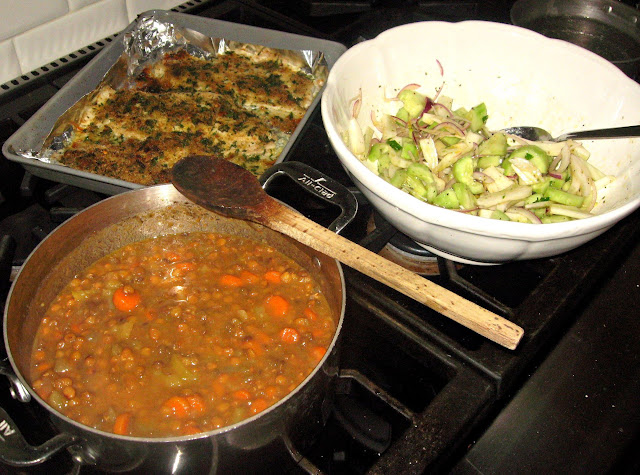
With the above ingredients I made baked flounder with breadcrumbs, lemon zest, and olive oil, ravioli with already prepared homemade tomato sauce, and sautéed bok choy with garlic and olive oil. We consumed the bread with our fish and vegetable. We did finish up our meal with two fresh pears and two oranges that were purchased during a different trip to the market. The meal fed 4 adults (with an appropriate sized portion of fish, vegetable, and bread per person and we started the meal with 4 ravioli per serving).
Our meal was tasty, satisfying, made with fresh ingredients, and for the exception of the ravioli and bread, prepared at home. You could certainly make your own bread and pasta at home, and keep price down, but for a Mon-Fri type of meal this is the sort of "pre packaged" items that are ok to buy, in my view.
![IMG_5480[1]](http://farm5.static.flickr.com/4063/4380972546_80a5b7fa55.jpg)
(photo: Artisan ravioli made by Vitamia in Lodi, NJ with homemade tomato sauce with mushrooms, made a few nights earlier: 1 pound for $4.50 ).
So, why is it that many poor to middle income families choose the fast food route when it comes to meal choice? Could the families who choose prepared food not be ingrained with the idea that consuming quality food is important? If not for my specific culture and upbringing, for example, I certainly would not consider food an important part of living in the US because it's not taught at school or praised in the media. Therefore, a probable explanation for eating habits in the US may be cultural norms rather than income or access to fresh ingredients. In sum, I choose to spend my twenty dollars for wild/fresh fish, greens, artisan bread, and handmade ravioli, as opposed to prepared French fries, cheeseburgers, Coke, and deep fried chicken nuggets, because I was taught from an early age to value food and make it at home. Eating well isn't a byproduct of socio-economic factors (don't listen to the food experts), but rather how one is raised and views the preparation and consumption of food. Being poor doesn't force you to eat at McDonald's, rather being taught that consuming pre-made food is acceptable (from an early age) and part of how one lives is the culprit.